
Sustainable Living: Exploring Solar Power Systems for Australian Homes
Admin
August 11, 2025
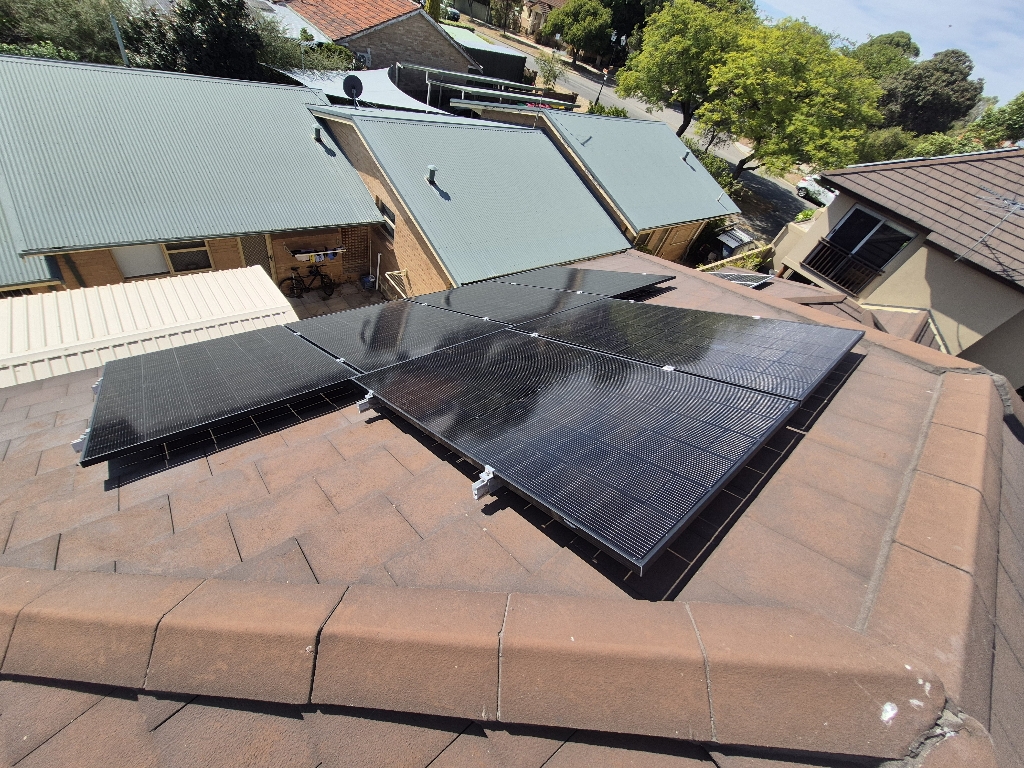
At National Renewable, we are committed to helping Australian homeowners embrace sustainable living with clean, reliable solar solutions. Solar power systems capture sunlight on your roof to generate electricity, offering a way to slash energy bills and reduce reliance on the grid. By harnessing this free, renewable energy, households can power their appliances, cut carbon emissions, and add long-term value to their homes. Let us walk you through how home solar systems work, the main setup options, and the key benefits of going solar – including how modern batteries and smart design boost savings and independence.
How Residential Solar Power Works
A typical home solar power system has a few key components that work together to convert sunlight into usable electricity. First, solar panels (photovoltaic panels) are mounted on the roof. When sunlight hits a panel, it triggers the photovoltaic effect, converting light into electric current. This produces direct current (DC) electricity. Next, a solar inverter converts the DC power into alternating current (AC) that runs your home’s appliances. A standard system also includes a connection to the electricity grid and, optionally, a battery for storage.
- Solar panels: These capture sunlight and generate electricity via the PV effect. The efficiency of panels depends on quality, orientation, and weather, but they can generate power even on cloudy days.
- Inverter: This device changes the panels’ DC output into AC current suitable for your home. A properly sized inverter ensures your system runs safely and efficiently.
- Battery storage (optional): Batteries store excess solar electricity generated during the day for use at night or during outages. Adding a battery increases the portion of your solar power that you can use around the clock.
- Grid connection: Most home systems remain tied to the local power grid. This means you can import power when needed and export any surplus solar energy. Under most plans, exporting provides a small credit (a feed-in tariff) on your electricity bill.
Together, these parts form a complete solar power system. During the day, the panels generate electricity for your home and charge the battery. Any extra can flow out to the grid (earning feed-in credits) or be stored. At night or on dull days, your home draws power from the battery and grid instead of buying as much from the utility. This coordinated setup delivers sustainable energy to your home while maximizing on-site usage of solar power.
Types of Solar Systems for Homes
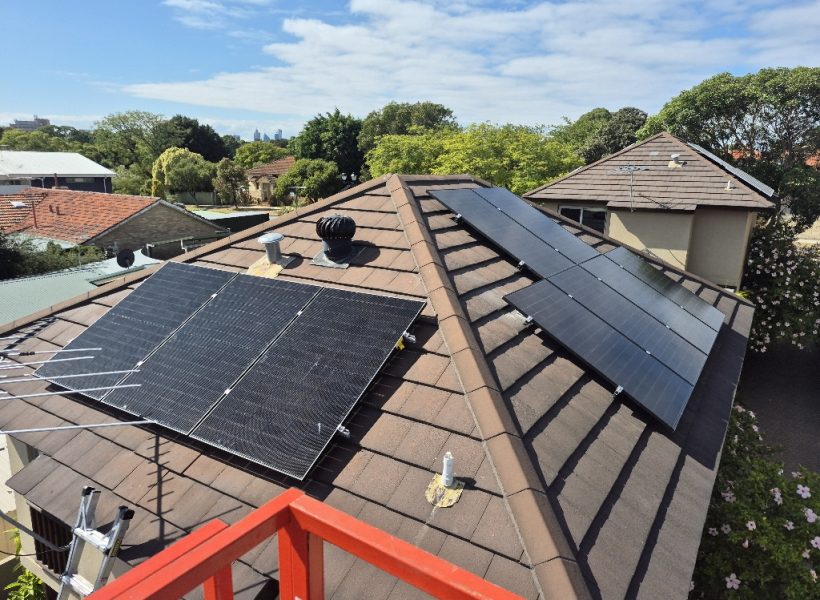
Homeowners in Australia can choose from a few different types of solar systems, depending on lifestyle, location, and energy needs.
The most common setup is the grid-connected system. This design allows your solar panels to work alongside the public power grid.
When your panels produce more energy than you need, the surplus is exported to the grid, often earning you credits through feed-in tariffs. When your household needs more power than your system is producing—like at night—you draw from the grid. This model offers a good balance of savings and simplicity, especially for homes in urban or suburban areas.
In contrast, off-grid systems are completely self-sufficient and not connected to the utility grid. These are most suitable for rural or remote properties where grid access is limited or unavailable. Off-grid homes rely on solar panels, large battery banks, and sometimes backup generators to supply all their electricity needs, day and night. These systems demand more careful planning but offer full energy independence.
A third option, the hybrid system, combines the benefits of both worlds. It connects to the grid but also includes battery storage. During the day, solar power is used to run your home and charge the battery. At night, you can draw from the battery first before turning to the grid. This setup reduces your reliance on external electricity and can also serve as a backup in case of blackouts.
Ultimately, the best system depends on how much electricity your household uses, whether you want backup power, and how much you want to reduce your grid dependency. Carefully sizing a home’s solar panel array to match its energy needs can unlock substantial savings on electricity bills. With the right design, you can ensure most of your energy use is powered by the sun.
Financial and Environmental Benefits
Installing solar panels on your home comes with multiple advantages, both for your wallet and the planet. Key benefits include:
- Lower electricity bills: Solar power dramatically cuts the amount you need to buy from your electricity provider. Homeowners frequently report significant drops in their power bills after switching to solar. Over time, the savings on energy often pay back the cost of the solar system.
- Reduced carbon footprint: Solar energy is clean and renewable, generating power without burning fossil fuels. A solar-powered home produces essentially no greenhouse gas emissions during operation, helping to combat climate change. By choosing solar, you reduce reliance on fossil-fuel plants and help lower overall pollution in your community.
- Increased home value: Homes with solar installations tend to sell for more. A well-designed solar system can make a property more attractive to buyers, as it promises years of free electricity. In effect, a solar system is an investment that can raise your property’s market value.
- Energy independence and resilience: Generating your own electricity means you’re less exposed to rising utility prices. If your system includes batteries, you can use stored solar power during night or grid outages, reducing reliance on the utility. This kind of home energy autonomy adds security and peace of mind.
- Government incentives: Australian governments provide rebates and credits to make solar more affordable. For example, the Small-scale Renewable Energy Scheme (SRES) gives tradable certificates (STCs) that installers use to discount the system price. In practice, most new home solar systems qualify for this subsidy, lowering upfront cost. From mid-2025, the national Cheaper Home Batteries Program will also give roughly a 30% rebate on home battery installations. Combined with any local rebates, these incentives help households save on the initial investment.
Together, these benefits make solar power a compelling choice. In many cases, the system pays for itself through savings and incentives. In fact, choosing the right solar panels and system size can unlock substantial savings on electricity bills over the system’s lifetime. The long-term financial and environmental returns often far outweigh the initial effort of installation.
Solar Batteries and Energy Independence
Getting Started with Solar
Recent Post
Dont Hesitate To Contact Us
Got questions, ideas, or feedback? We’re here to help. Reach out to our team today and let’s explore how we can work together to bring your renewable energy vision to life.