
Unlock Savings: Residential Solar Panels in Australia by National Renewable
Admin
August 17, 2025
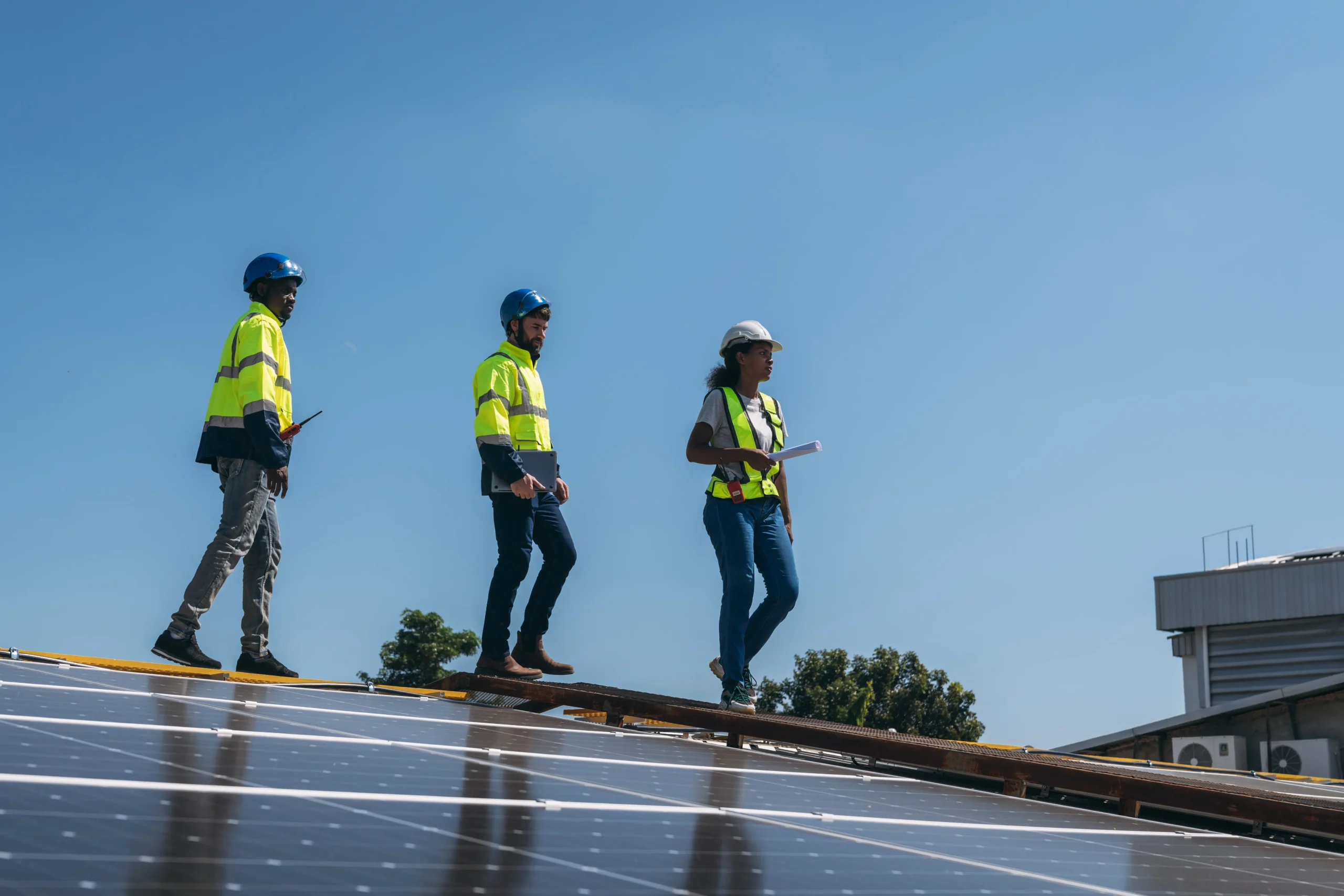
Harnessing solar energy is one of the smartest ways Australian homeowners can reduce their electricity bills and make a positive environmental impact. With abundant sunshine across the country and growing government incentives, more households are embracing residential solar panels to gain energy independence and long-term savings. This comprehensive guide explores why solar power is becoming a mainstream choice, how it can significantly cut your power costs, and the key factors to consider when selecting and installing a system tailored to your home. From understanding upfront costs and government rebates to debunking common myths, you’ll find expert insights that help you navigate the solar journey with confidence. Backed by National Renewable’s experienced team, this resource ensures you get reliable, efficient, and cost-effective solar solutions that not only benefit your wallet but also contribute to a greener, more sustainable Australia. Discover how partnering with trusted solar experts can unlock lasting value for your home.
Why Australian Homes Are Going Solar
Australia has emerged as a global leader in residential solar adoption, and the reasons are both practical and powerful. With some of the world’s highest levels of solar radiation, most parts of the country receive an average of 4 to 6 kilowatt-hours of sunlight per square metre per day. This makes rooftop solar incredibly efficient and highly effective across all seasons, offering homeowners a reliable way to harness clean energy directly from their rooftops.
More than 3.9 million households have already installed rooftop solar systems, reflecting a nationwide shift toward energy independence. This growing momentum has been driven by rising electricity prices, the need for long-term savings, and the increased affordability of solar systems. Homeowners can now cut their electricity bills by up to 50%, with many recouping installation costs within just three to five years.
Financial incentives have also played a major role in this transition. The federal Small-scale Renewable Energy Scheme (SRES) allows homeowners to claim Small-scale Technology Certificates (STCs), which can reduce the upfront cost of a system by up to 30%. On top of that, many state governments offer their own rebates and feed-in tariff programs, making solar even more accessible.
Environmental awareness is another motivating factor. By generating renewable power on-site, homes with solar panels contribute to significantly lower carbon emissions. A standard system can offset dozens of tonnes of CO₂ over its lifetime, helping Australia work toward its renewable energy and net-zero goals.
Solar systems are also a smart property investment. They often increase home value and attract more buyers, with studies suggesting homes with solar can sell faster and command a higher price. Since modern panels are low maintenance and built to last 20 years or more, they offer long-term benefits with minimal upkeep. With no moving parts and only occasional cleaning needed, they’re a dependable, hands-off solution.
Together, these factors—sunlight availability, rising electricity costs, environmental impact, strong financial returns, and reliable technology—explain why more Australian households are choosing solar. National Renewable is here to support homeowners on this journey with quality systems, tailored advice, and expert service every step of the way.
How Solar Panels Slash Your Power Bills
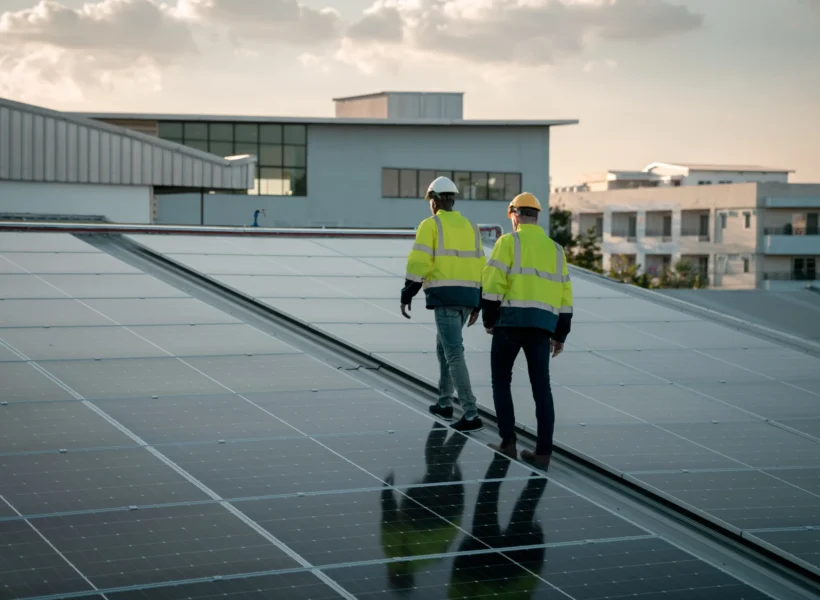
One of the most compelling reasons homeowners turn to solar is the immediate and long-term savings on electricity bills. By generating electricity directly from sunlight, solar panels reduce your reliance on grid-supplied power—especially during the day when energy usage is often highest. The result is lower monthly bills, more predictable costs, and protection from future price hikes.
When your system produces more electricity than you use, the excess can be fed back into the grid, earning you a credit through a feed-in tariff. These credits can further reduce what you owe to your energy provider, especially if your usage patterns align with solar production—like using appliances during daylight hours. With a properly sized system, many Australian households see savings of 30% to 60% on their quarterly bills.
The real financial impact is most visible over time. Once your system is paid off—typically within 3 to 5 years for many installations—the electricity you generate becomes essentially free. That means every kilowatt-hour produced by your panels is one you no longer have to pay for. Considering the system lifespan of 20 years or more, the accumulated savings can run into thousands of dollars.
Solar doesn’t just reduce your bill; it puts control back in your hands. With energy prices continuing to rise across the country, generating your own electricity is one of the most effective ways to protect your household budget. National Renewable helps homeowners maximise these savings with efficient systems, expert advice, and transparent guidance—so you can enjoy long-term value without the guesswork.
Government Incentives That Make Solar Affordable
One of the key reasons solar has become more accessible to Australian homeowners is the strong government support available at both federal and state levels. These incentives are designed to reduce the upfront cost of installing solar power systems, making renewable energy a more affordable and realistic option for households across the country.
At the national level, the Small-scale Renewable Energy Scheme (SRES) plays a major role. This scheme allows eligible homeowners to earn Small-scale Technology Certificates (STCs) based on the size of their solar system and the region in which they live. These STCs effectively act as a discount, applied directly to the cost of installation through accredited solar providers. For many homeowners, this can reduce the upfront price of a solar system by up to 30%.
Beyond federal support, several state and territory governments offer additional incentives. These may include rebates, zero-interest loans, or battery support schemes, depending on your location. For example, some programs offer targeted support for low-income households or regions with high energy demand, further increasing accessibility.
In addition to rebates, feed-in tariffs remain an important incentive. These tariffs allow you to earn a credit on your electricity bill for any excess solar energy exported back to the grid. While feed-in rates vary by state and retailer, they can contribute significantly to long-term savings when paired with mindful energy use.
Taken together, these government initiatives have helped make solar a financially viable choice for millions of Australians. At National Renewable, we help customers understand and access the incentives available to them—ensuring a smooth transition to solar with maximum value from day one.
Understanding Solar Panel System Costs and ROI
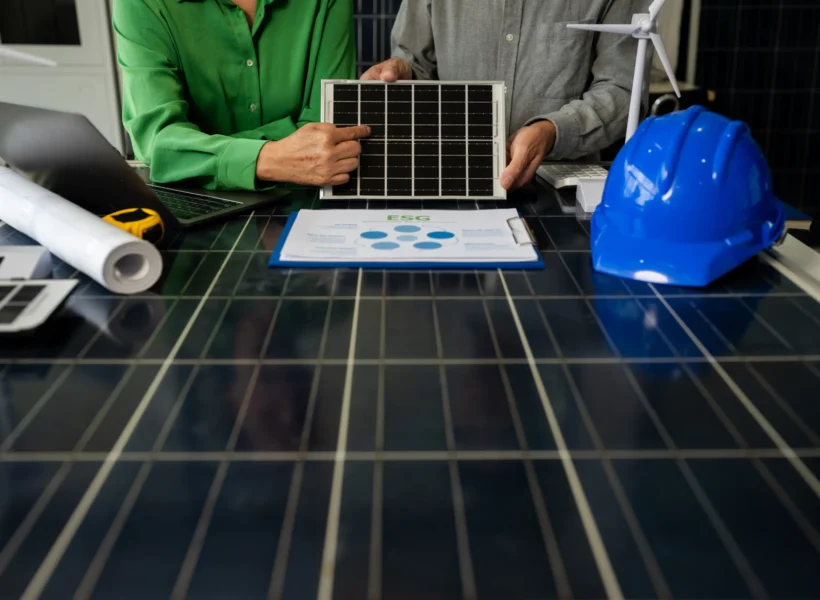
One of the most compelling reasons homeowners turn to solar is the immediate and long-term savings on electricity bills. By generating electricity directly from sunlight, solar panels reduce your reliance on grid-supplied power—especially during the day when energy usage is often highest. The result is lower monthly bills, more predictable costs, and protection from future price hikes.
For many Australian homeowners, the decision to go solar is both an environmental and financial investment. Understanding the overall cost of a system—and the return it offers over time—is key to making an informed choice. While exact pricing depends on factors like system size, location, and installation complexity, most residential solar setups fall within a mid-range cost bracket that delivers strong long-term value.
The upfront price of a solar system typically includes panels, inverter, mounting equipment, and professional installation. While initial costs may seem significant, they’re often reduced through federal and state incentives, which can lower the out-of-pocket expense by thousands. Once installed, solar systems begin delivering immediate savings on electricity bills—contributing to a payback period that often ranges between 3 to 7 years.
Beyond the payback, solar continues to offer value throughout its 20+ year lifespan. Homeowners enjoy years of near-zero energy costs, plus the potential increase in property value. Feed-in tariffs for excess electricity can accelerate the return even further, especially in homes with smart energy habits and efficient usage patterns.
Carefully selecting a system that aligns with your energy needs and property layout can significantly influence overall returns, especially when the design takes long-term performance into account.
National Renewable supports each customer with transparent pricing, expert guidance, and a system tailored for optimal efficiency—so your solar investment delivers the results you expect and the savings you deserve.
Choosing the Right Solar Panel for Your Roof
Installation Process: What to Expect and When
Installing a solar panel system is a straightforward process when managed by experienced professionals. It begins with an initial site assessment, where factors like roof space, structural integrity, and sun exposure are evaluated. This is followed by system design, ensuring your setup is tailored to your property’s unique energy needs and environmental conditions.
Once approved, installation is typically completed within a day or two, depending on the system’s size and complexity. Panels are mounted securely to the roof, wiring is connected to the inverter, and the system is integrated into your home’s electrical setup. After installation, the system undergoes safety and performance checks, and once approved by your local distributor, it’s connected to the grid.
Timelines can vary slightly based on approval processes and local regulations, but homeowners are kept informed at each step. Quality workmanship and compliance with Australian standards are essential for long-term performance and warranty coverage.
An experienced team can make the transition feel effortless, from system planning to switch-on day, ensuring the entire process is smooth, safe, and built to last.
National Renewable ensures every stage of your installation is handled with precision and care—so you can enjoy your solar benefits sooner, with confidence.
How Grid-Connected Solar Systems Work
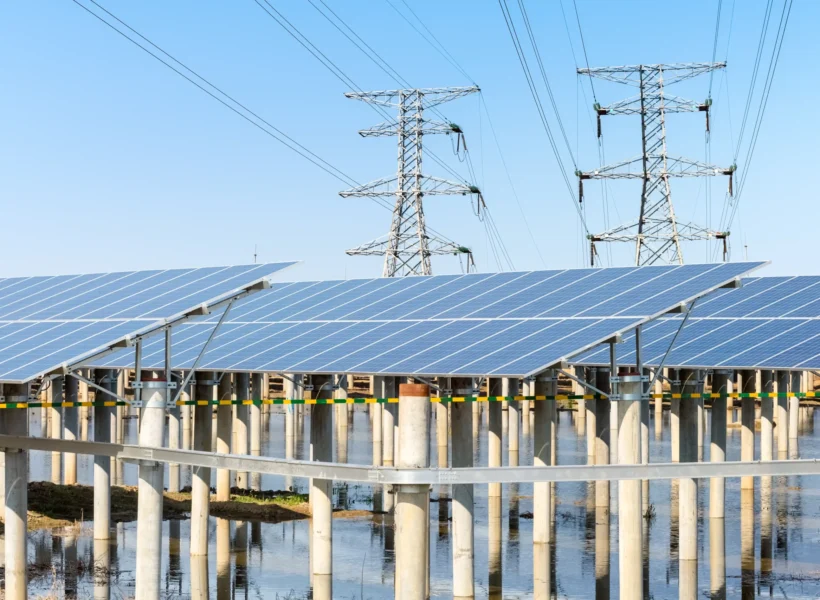
One of the most compelling reasons homeowners turn to solar is the immediate and long-term savings on electricity bills. By generating electricity directly from sunlight, solar panels reduce your reliance on grid-supplied power—especially during the day when energy usage is often highest. The result is lower monthly bills, more predictable costs, and protection from future price hikes.
Common Myths About Residential Solar – Busted
Despite its growing popularity, solar power is still surrounded by misconceptions that can deter homeowners from making the switch. Separating fact from fiction helps clarify the real benefits and limitations, empowering better decisions.
One common myth is that solar panels don’t work well in cloudy or rainy weather. While solar output is highest on sunny days, panels still generate electricity in diffuse light and overcast conditions—just at a reduced rate. Australia’s overall high solar irradiance ensures consistent energy production throughout the year.
Another misconception is that installing solar is too expensive or offers little financial return. Thanks to declining panel costs and government incentives, upfront expenses are more affordable than ever. With typical payback periods between three and seven years, solar quickly transitions from a cost to a significant household saving.
Some believe that solar panels require constant maintenance or are easily damaged. In reality, panels are built tough with minimal upkeep needed, usually just occasional cleaning and routine performance checks. Modern systems come with long warranties, reflecting their reliability.
There’s also confusion about solar’s compatibility with existing electrical systems. Grid-connected solar integrates smoothly without major home rewiring, and smart system designs optimise energy use without disruption.
When considering a tailored solar solution, expert design and installation can maximise system efficiency and longevity.
National Renewable supports customers with clear, trustworthy information and quality installations that demystify solar technology—helping more Australians harness clean energy confidently.
Start Saving: Partner with Trusted Solar Experts
Choosing the right partner is crucial to unlocking the full benefits of solar energy. Professional expertise ensures your system is designed, installed, and maintained to deliver maximum efficiency, reliability, and savings over the long term. Experienced providers understand the nuances of solar technology, local regulations, and available incentives—making your transition smoother and more cost-effective.
Working with trusted solar experts means access to customised solutions tailored to your home’s specific energy needs and roof conditions. They’ll guide you through system options, financing, and ongoing support, so you’re informed every step of the way. Quality workmanship and certified components also protect your investment and warranty coverage.
Comprehensive service that includes precise installation and careful design ensures your solar system operates at peak performance for years to come.
National Renewable brings years of experience and a commitment to excellence, helping Australian homeowners start saving immediately while contributing to a greener future. Partnering with the right team turns your solar ambitions into real, lasting value.
Making the switch to solar power is a forward-thinking investment that offers both financial rewards and environmental benefits. By understanding the costs, incentives, and installation process, you can make informed decisions that maximise your savings and energy independence.
With expert support from National Renewable, Australian homeowners can confidently navigate the solar journey—from choosing the right panels to maintaining a system built to last. Embrace clean energy today and take a meaningful step toward a sustainable future, while enjoying the ongoing benefits of reduced power bills and increased home value. Your solar journey starts here.
Recent Post
Dont Hesitate To Contact Us
Got questions, ideas, or feedback? We’re here to help. Reach out to our team today and let’s explore how we can work together to bring your renewable energy vision to life.