
Grants & Growth: Understanding Solar Incentives Available in Australia
Admin
November 5, 2025

Solar energy is rapidly reshaping the way Australians power their homes and businesses. While the environmental and financial benefits of solar are well recognised, one of the most important factors driving adoption is the support available through government incentives and rebates. These programs are designed to make clean energy more affordable and accelerate the nation’s transition to a sustainable future. As a company committed to providing reliable renewable energy solutions, we believe that understanding these incentives is key to unlocking both immediate savings and long-term value.
From rebates that reduce upfront installation costs to feed-in tariffs that reward households for generating excess electricity, solar incentives are helping Australians embrace a greener and more cost-efficient lifestyle. In this guide, we’ll explore the major incentives available today, how they work, and why they matter for households, businesses, and the wider community.
Small-Scale Technology Certificates (STCs)
One of the primary federal incentives for solar energy is the Small-Scale Renewable Energy Scheme (SRES), which issues Small-Scale Technology Certificates (STCs). These certificates act as a form of rebate that lowers the upfront cost of installing solar systems under 100 kW. The number of STCs you receive depends on the system size, location, and the amount of renewable energy it’s expected to generate until 2030.
Instead of waiting for a long-term payoff, homeowners and businesses can claim the benefit almost immediately. Typically, installers apply the value of STCs as a discount at the point of sale, making solar more financially accessible. This scheme is one of the most effective tools for boosting solar adoption across Australia, with millions of households already taking advantage of it.
Large-Scale Renewable Energy Target (LRET)
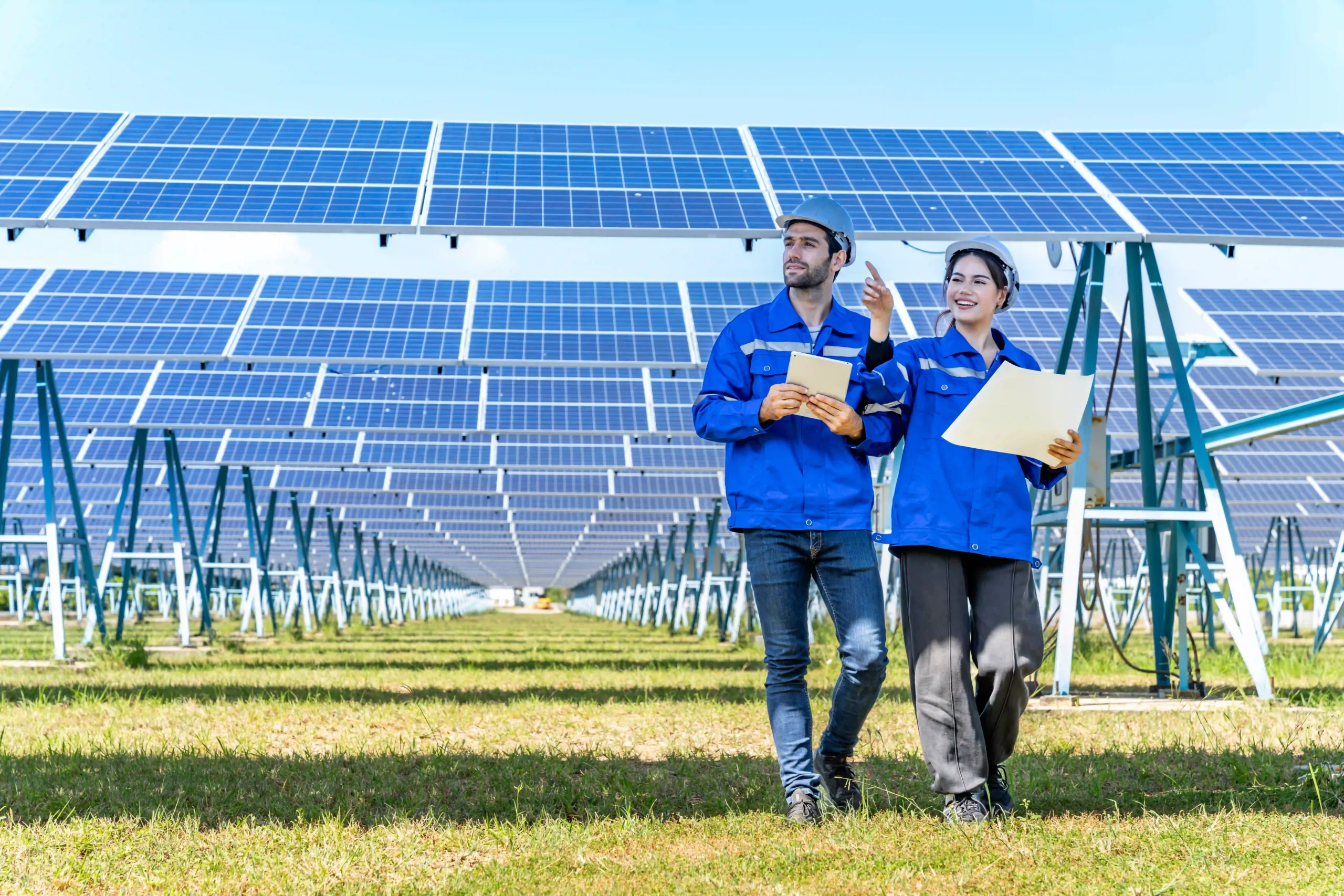
For bigger projects, the Large-Scale Renewable Energy Target (LRET) provides financial incentives through Large-Scale Generation Certificates (LGCs). These are designed for systems over 100 kW, such as commercial installations, industrial setups, or large solar farms.
Businesses and investors benefit from selling LGCs to liable entities, such as electricity retailers, who need them to meet their renewable energy obligations. This not only promotes the growth of renewable infrastructure but also ensures that large-scale energy users have a practical pathway to reducing their environmental impact.
By creating a market for clean energy generation, the LRET plays a pivotal role in scaling renewable adoption beyond individual households.
Feed-in Tariffs (FiTs)
Feed-in tariffs (FiTs) reward households and businesses for exporting excess electricity back into the grid. When your solar panels produce more power than you consume, that surplus energy doesn’t go to waste—it earns you a credit on your electricity bill.
The rate you receive varies by state, retailer, and plan, but even modest returns can accumulate over time, helping reduce energy costs. Just as lowering personal energy usage directly contributes to a smaller carbon footprint, participating in FiTs allows individuals to play an active role in a cleaner, more efficient energy grid.
For many Australians, FiTs provide an added incentive to size their systems effectively and maximise long-term returns.
State-Based Rebates and Programs
Beyond federal incentives, each state and territory in Australia offers its own additional rebates and support programs. For instance:
- Victoria provides upfront solar panel rebates and interest-free loans for eligible households.
- New South Wales has initiatives supporting low-income households through energy bill relief linked with solar adoption.
- Queensland and South Australia have previously run battery rebate schemes, helping homeowners store excess solar power for nighttime use.
- Western Australia offers buyback schemes for excess solar energy exported back to the grid.
These programs evolve over time, so it’s vital for households and businesses to stay informed about what’s available in their state. Taking advantage of these rebates can significantly reduce the payback period for solar investments.
Solar and the Bigger Picture of Growth
While individual incentives reduce upfront costs, the collective impact of solar adoption extends far beyond household savings. Every kilowatt-hour of renewable energy generated contributes to a national effort of reducing reliance on fossil fuels, which aligns with the broader goals of cutting emissions and achieving a sustainable energy mix.
Solar adoption also stimulates economic growth by driving demand for local installers, technicians, and suppliers. In fact, the renewable energy sector is now one of the fastest-growing industries in Australia. From creating jobs to advancing technology, incentives are not just about affordability—they’re about building a resilient and future-ready economy.
Combining Savings with Sustainability
Incentives such as STCs, LGCs, FiTs, and state-based rebates work together to make solar both financially and environmentally rewarding. When households install solar systems, they’re not only reducing bills but also actively contributing to a greener grid. This dual benefit of cutting costs while lowering environmental impact demonstrates why solar is not just an investment in a property, but an investment in a cleaner and more sustainable future.
As renewable energy continues to evolve, so too will the range of incentives designed to support it. Staying informed and taking timely action ensures that individuals and businesses can make the most of these opportunities.
At National Renewable, we believe that embracing solar is more than just a financial decision—it’s a commitment to growth, sustainability, and innovation. By helping our clients navigate incentives and choose the right solutions for their needs, we aim to make the journey to renewable energy both rewarding and accessible. Together, we can create a future powered by smarter, cleaner energy.
Recent Post
Dont Hesitate To Contact Us
Got questions, ideas, or feedback? We’re here to help. Reach out to our team today and let’s explore how we can work together to bring your renewable energy vision to life.