
Boost Your Bottom Line: Advantages of Solar for Australian Businesses
Admin
September 1, 2025

Power Where It Counts: Cutting Energy Costs with Solar
At National Renewable, we know that cost control is a constant priority for Australian businesses. Commercial solar systems provide one of the most effective ways to reduce ongoing expenses. By generating electricity directly on-site, businesses can offset a significant portion of their power needs, particularly during daylight hours when demand — and electricity rates — are at their highest.
Savings can be substantial. Many commercial systems deliver a reduction in grid power use of 30–70%, depending on energy consumption patterns and the size of the system installed. For example, a retail outlet operating during daylight hours can align its peak power usage with peak solar output, maximising savings without needing extensive storage.
Over months and years, those reduced bills improve cash flow and allow for reinvestment into other parts of the business — whether that’s upgrading equipment, hiring more staff, or improving customer experiences. Solar doesn’t just save money; it creates breathing room for growth.
Shielding Against Rising Energy Prices
Electricity prices in Australia have been on an upward trend for years, with many businesses experiencing annual increases in the range of 5–10%. For industries that rely heavily on energy — such as manufacturing, cold storage, or hospitality — these increases can take a noticeable bite out of profit margins.
Installing a solar system acts as a built-in safeguard against this volatility. Once your system is up and running, your exposure to grid price fluctuations is significantly reduced. The sun’s energy remains free, and the cost of maintaining your solar setup is minimal compared to the unpredictable swings in market electricity rates.
This predictability is especially valuable for businesses operating on fixed budgets or multi-year contracts. Knowing that a large portion of your energy costs is locked in allows for more accurate financial forecasting and strategic planning. This aligns with our view that considering both immediate and long-term operational benefits is essential when assessing solar investments — a perspective reinforced when exploring what to look for in a commercial solar installer.
Strong Returns on Investment Backed by Incentives
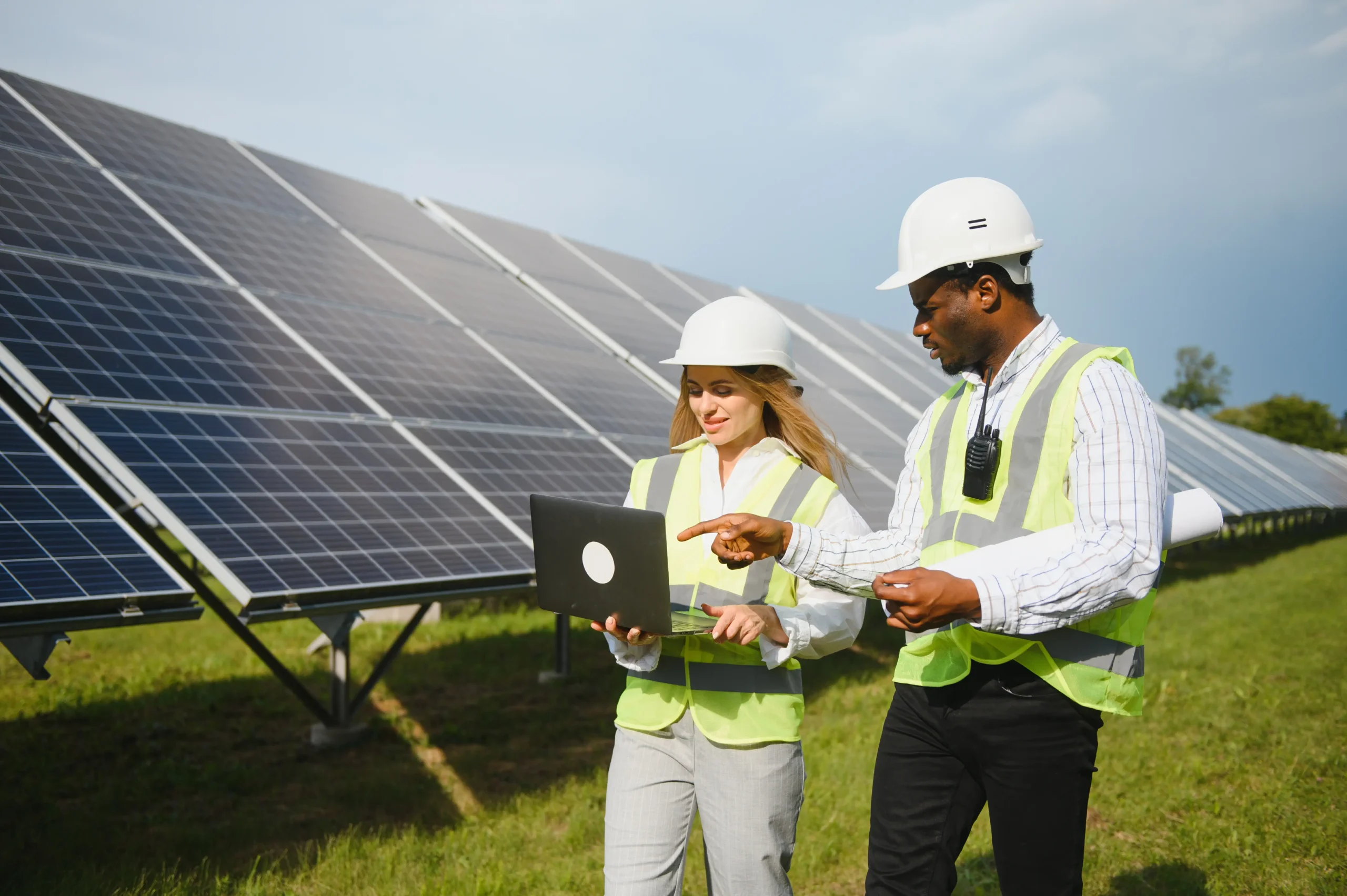
Solar isn’t just a sustainability move; it’s a financial decision with tangible payback. Across Australia, most commercial solar installations reach full ROI within 3–6 years, with savings continuing for the remaining lifespan of the system — often 20 years or more.
Government-backed incentives help make these returns even more compelling.
The Small-scale Technology Certificates (STCs) scheme provides upfront financial benefits for systems under 100kW, while larger installations may be eligible for Large-scale Generation Certificates (LGCs) that create ongoing value for every megawatt-hour generated. These programs reduce the effective purchase cost of a system and shorten the time it takes to see positive returns.
When paired with reduced operating expenses, the total lifetime benefit can be hundreds of thousands of dollars for mid-sized and large enterprises. That kind of capital recovery rate is rare for operational investments and makes solar one of the most financially rewarding upgrades a business can make.
Environmental Impact That Resonates with Customers
Every kilowatt-hour of solar power produced is a kilowatt-hour not generated by fossil fuels — and that matters. On average, producing 2,500 kWh of solar energy prevents roughly 1 tonne of CO₂ from entering the atmosphere. For larger commercial arrays, the environmental savings can be massive, with some businesses offsetting thousands of tonnes of emissions over the life of their system.
This isn’t just about compliance or corporate social responsibility. Today’s customers, clients, and investors are increasingly attentive to sustainability credentials. Demonstrating a verifiable reduction in emissions can differentiate your business in competitive markets, attracting eco-conscious buyers and partners.
It also fosters internal pride. Employees often value working for companies that take environmental action seriously, improving staff engagement and retention. Our perspective on commercial solar’s role in supporting business growth emphasises this dual benefit: a stronger environmental profile can also become a competitive asset in market positioning.
Energy Independence and Resilience
Operational resilience is a growing priority for Australian businesses as extreme weather events, heatwaves, and grid instability become more common. A well-designed solar system — especially when paired with commercial battery storage — can provide backup energy during outages, protecting critical systems like refrigeration, security, and IT infrastructure.
This resilience helps prevent the financial losses that come with downtime. For instance, a food distributor could avoid spoilage during a power outage, while a retail store could maintain lighting and payment systems to continue trading. Beyond immediate emergencies, stored solar energy can also be deployed strategically during peak pricing periods to avoid high demand charges.
In regional and remote areas where grid reliability may already be an issue, energy independence can be even more valuable. Having your own generation capacity puts more control in your hands, reducing the impact of external disruptions on your operations.
Strategic Support That Goes Beyond Panels
A commercial solar system is more than panels on a roof — it’s an integrated asset that requires careful planning, installation, and ongoing optimisation. The right partner will assess not just energy needs, but roof condition, load profiles, shading, regulatory compliance, and expansion potential.
Equally important is post-installation support: performance monitoring, warranty management, and preventative maintenance ensure the system continues to deliver peak efficiency for decades. As outlined in our broader insights on choosing a solar installer, considering these factors upfront helps avoid costly oversights. A well-planned project also allows for scalability, enabling businesses to expand capacity as operations grow — a principle that underpins our approach to maximising commercial solar performance.
Energising Tomorrow with Confidence
Switching to solar offers Australian businesses a practical, financially sound, and future-focused way to strengthen their bottom line. From immediate savings on electricity bills to protection from rising prices, from strong ROI backed by incentives to environmental benefits that resonate with stakeholders, the case for solar is backed by both numbers and impact.
At National Renewable, we believe in delivering systems that provide more than just power — they deliver confidence, stability, and measurable value year after year. For businesses ready to take the next step, the sun is already shining on the opportunity.
Recent Post
Dont Hesitate To Contact Us
Got questions, ideas, or feedback? We’re here to help. Reach out to our team today and let’s explore how we can work together to bring your renewable energy vision to life.