The Future of Renewable Energy in Australia: Trends, Tech and What Comes Next for Grid and Off-Grid Power

Admin
August 8, 2025
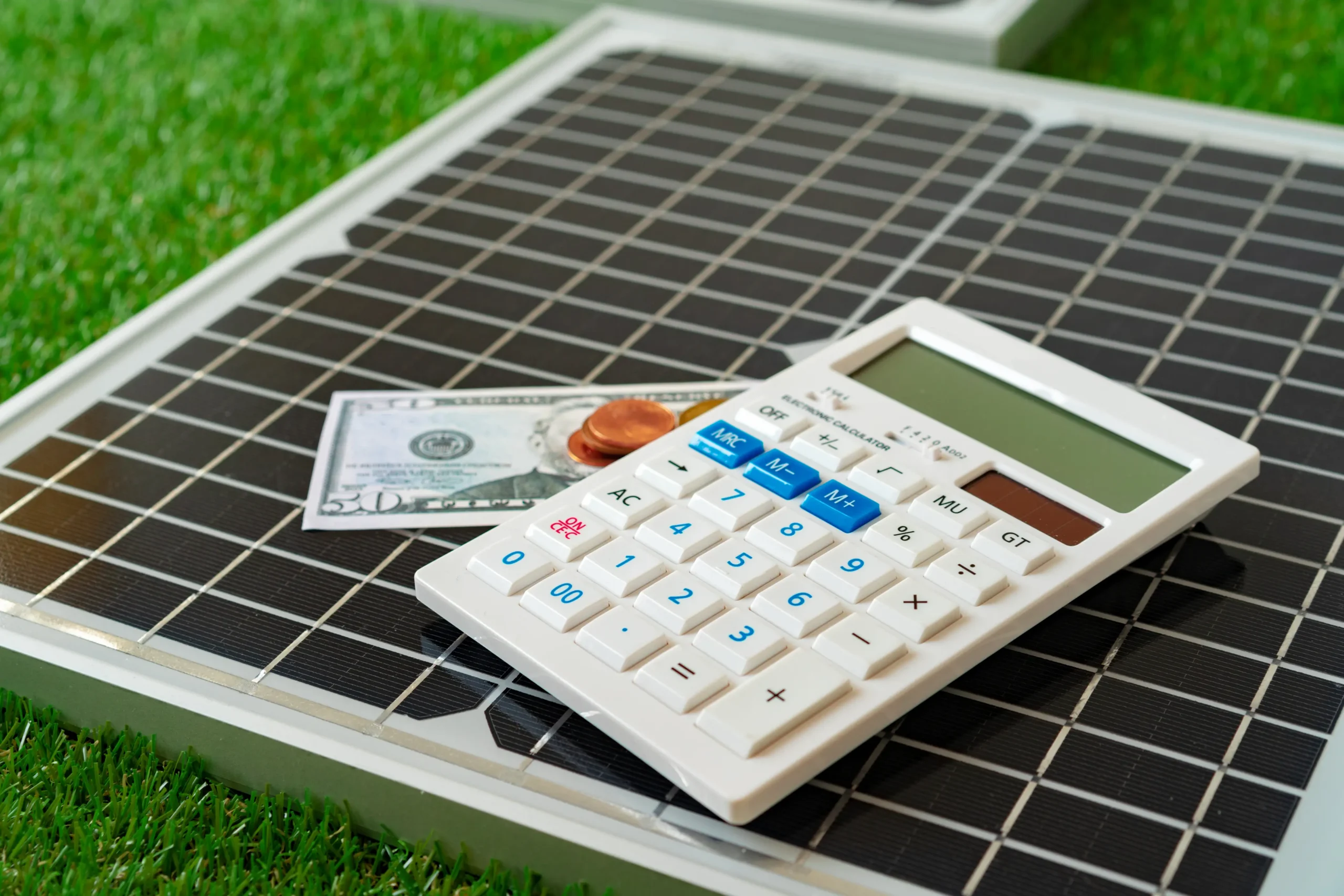
At National Renewable Australia, we know that switching to solar can transform your energy bill, and government rebates make the investment even more attractive. By tapping into Australia’s solar incentive programs, homeowners can reduce upfront costs and shrink their carbon footprint. These incentives align with the ethos of sustainable living, helping homeowners make clean solar power more accessible to everyday Australian homes. This guide will explain how solar panel rebates work in Australia, and how you can claim these savings on your installation.
Solar panel rebates in Australia come from government incentives that lower the cost of installing clean energy systems. The key federal scheme is the Small-scale Renewable Energy Scheme (SRES), which issues tradable Small-scale Technology Certificates (STCs) for eligible solar installations. Each STC represents one megawatt-hour (MWh) of expected solar generation, and you earn a number of them based on your system’s size, geographic zone and installation date. Your installer typically claims these certificates and uses the sale proceeds to give you an upfront discount on your system’s cost. In effect, STCs function like a government rebate, reducing your installation cost by roughly $400–$600 per kW of solar capacity.
The SRES is the core federal rebate program for residential solar. It covers systems under 100 kW installed by a Clean Energy Council (CEC)-accredited professional. Under this scheme, your panels’ expected output determines your rebate. The government uses your location’s solar zone multiplier and the remaining years until 2030 (when the SRES ends) to calculate your STCs.
In simple terms, the formula is:
Zone Rating × Deeming Period (years to 2030) × System Size (kW)
For example, a typical 6.6 kW system in Sydney (Zone 3) generates about 91 STCs, which corresponds to roughly a $3,458 rebate at current STC prices. STC values fluctuate; as of early 2024 they are around $35–$40 each. Installers generally handle the STC trade and pass the rebate on at the point of sale, so your final quote reflects these savings. It’s worth noting the SRES is scheduled to end in 2030, and each year the deeming multiplier drops by one. In practice, that means installing sooner locks in a larger rebate.

To estimate your rebate, assess how much energy your system will produce. Larger systems and sunnier locations (northern Australia, Zones 1–2) earn more STCs than smaller systems in southern regions. As a rule of thumb, each megawatt-hour of expected generation yields one STC.
For instance, if your panels generate about 9.1 MWh per year, you would earn roughly 91 STCs over the deeming period.
At about $38 per STC, that corresponds to roughly a $3,458 rebate. Keep in mind this is an estimate – actual savings will vary with the final STC price and any updated zone or deeming factors when you install. Consult an installer or STC calculator for precise figures.
Some state and local programs can add even more savings. Victoria’s Solar Homes program, for example, offers eligible homeowners up to $1,400 off the cost of solar panels (plus interest-free loans for batteries). Other states have provided grants or loans for renters, low-income households or community solar projects. In Western Australia, while there is no ongoing solar panel rebate, the Distributed Energy Buyback Scheme (DEBS) provides a feed-in credit of up to 10¢ per kWh for surplus solar energy fed back to the grid. State and local incentives change frequently, so it’s wise to check current offers in your area.
Claiming your solar rebate is easy when you work with a qualified installer. You generally don’t need to apply for the rebate separately – it’s handled during your project. Instead, follow these steps:
If you prefer, you can register yourself in the government’s REC Registry and sell your own STCs, but this requires extra paperwork and can delay your rebate by months. It’s generally faster to let your installer manage the certificates. By following these steps with a reputable installer, claiming the solar rebate will be a seamless part of your solar journey.
Got questions, ideas, or feedback? We’re here to help. Reach out to our team today and let’s explore how we can work together to bring your renewable energy vision to life.