
Smart Money: Calculating Your Return on Investment with Solar in Australia
Admin
November 2, 2025

As energy prices climb and sustainability becomes an ever-growing priority, Australian households and businesses are taking a closer look at solar power not just as an eco-friendly choice, but as a long-term financial strategy. At our core, we believe solar energy is about more than panels on rooftops—it’s about making smart money decisions that pay back in both savings and environmental impact. Calculating the return on investment (ROI) with solar requires a clear understanding of upfront costs, ongoing benefits, available incentives, and the long-term financial landscape in Australia.
Understanding Solar ROI in Simple Terms
Return on investment is the measure of how quickly your solar system “pays for itself” through energy savings compared to the money spent installing it. For Australian households, the average solar panel system can deliver payback in 3 to 7 years, depending on system size, electricity usage, and regional sunlight exposure.
To put it into perspective, a typical 6.6 kW solar system, one of the most common sizes for homes, can save between $1,200 and $2,000 annually on energy bills. Over a 25-year lifespan, these savings can total tens of thousands of dollars—far outweighing the initial investment.
Unlike many other household upgrades, solar systems directly reduce ongoing utility expenses, which means the ROI is both measurable and predictable.
Key Factors That Impact Payback
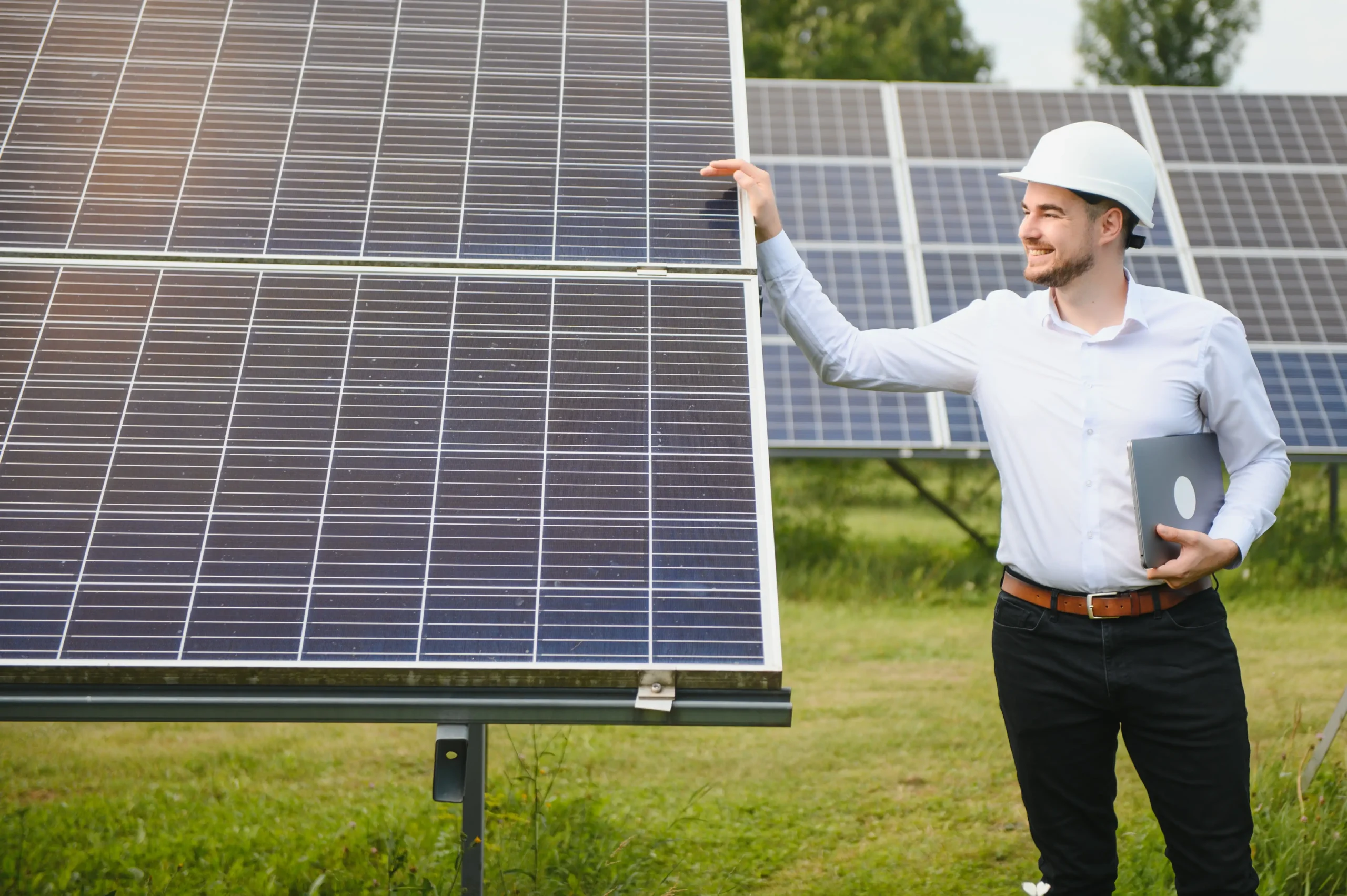
Several elements shape the speed and scale of your return on investment with solar in Australia:
- Electricity rates – The higher your current electricity costs, the greater your potential savings when switching to solar.
- System size and quality – Larger systems generate more energy, but quality panels and inverters ensure consistent, long-term performance.
- Location and sunlight hours – Regions with higher solar exposure, such as Queensland or Western Australia, see faster payback periods.
- Feed-in tariffs (FiTs) – Selling excess power back to the grid adds another layer of financial return.
- Energy consumption habits – Homes that consume more energy during the day benefit the most by directly using solar-generated electricity.
When these factors align, homeowners and businesses can unlock an impressive financial pathway toward energy independence.
Incentives and Rebates: Boosting ROI
The Australian government continues to support solar adoption through incentives that reduce upfront costs and improve ROI. The most widely used program is the Small-scale Renewable Energy Scheme (SRES), which issues Small-scale Technology Certificates (STCs). These certificates act as financial credits that directly lower the purchase price of solar systems.
Exploring these opportunities often reveals how financial incentives, combined with natural energy savings, make solar an even more attractive option for everyday Australians.
State-based rebates and interest-free loans in areas like Victoria and New South Wales further ease the transition, ensuring more households can benefit without overwhelming upfront investment. For businesses, tax benefits and accelerated depreciation rules add another layer of financial advantage.
Calculating the Numbers: A Practical Example
To illustrate, let’s take a household in Sydney installing a 6.6 kW system costing around $6,000 after incentives. With average daily electricity consumption of 25 kWh and an electricity rate of $0.30 per kWh, this system could offset roughly $1,500 in electricity costs annually.
At that rate, the payback period is approximately 4 years. After this point, the system essentially generates “free” electricity for another 20 years or more. Over its lifespan, the total financial benefit could exceed $30,000—five times the original investment.
For businesses, where electricity consumption is often much higher, the ROI is even more compelling. A commercial-scale solar system can achieve payback in just a few years while locking in predictable energy costs in the face of rising market prices.
Long-Term Value Beyond the Payback Period
While payback time is important, the true value of solar comes from long-term stability and security. Energy markets in Australia remain volatile, with electricity prices forecast to rise further in the coming years. Owning a solar system protects households and businesses from these fluctuations by reducing reliance on the grid.
The ability to achieve significant savings month after month transforms solar from a cost-cutting measure into a reliable wealth-building strategy.
Additionally, solar panels often increase property value, as buyers are drawn to homes with lower running costs. For businesses, adopting solar can improve sustainability credentials, enhance reputation, and demonstrate corporate responsibility—all of which can indirectly contribute to financial growth.
Why ROI Is More Than Just Numbers
While ROI calculations provide clarity, the real power of solar investment lies in its layered benefits. It’s not only about the payback period—it’s about creating long-term financial resilience, protecting against market volatility, and contributing to a more sustainable energy future.
When government incentives, reduced energy bills, and long-term reliability come together, the result is a financial outcome that few other investments can rival.
As we work with Australian households and businesses, our goal is to ensure each system is tailored to maximise savings while supporting environmental progress. By focusing on accurate ROI, clear incentives, and lifetime performance, we empower our customers to make decisions that are as financially rewarding as they are sustainable.
Making the Smart Choice
Solar energy in Australia is not just a sustainability effort—it’s a smart financial move. With average payback periods ranging from 3 to 7 years, strong government support, and significant long-term savings, solar offers one of the most compelling ROI opportunities available today.
We see it as more than a purchase; it’s a partnership with the future. By embracing solar, Australians are choosing financial independence, energy security, and environmental responsibility in one decision. As the renewable landscape evolves, our focus remains on guiding households and businesses to unlock the full return on investment solar provides—helping them save money, gain stability, and power a cleaner tomorrow.
Recent Post
Dont Hesitate To Contact Us
Got questions, ideas, or feedback? We’re here to help. Reach out to our team today and let’s explore how we can work together to bring your renewable energy vision to life.