
Your Solar Journey: Step-by-Step Guide to the Solar Installation Process in Australia
Admin
October 4, 2025

Switching to solar energy is more than just a trend—it’s a commitment to sustainability, cost savings, and energy independence. At National Renewable, we understand that navigating the solar installation process can feel complex, especially with the variety of technologies, installers, and regulatory requirements in Australia. That’s why we guide our customers through each stage, ensuring a seamless and efficient transition from consultation to fully operational solar systems.
Assessing Your Energy Needs and Home Suitability
The first step in any solar journey is understanding your energy consumption and how it aligns with your property’s potential for solar generation. This involves a detailed review of your electricity bills, peak usage times, and household appliances. Roof orientation, shading from nearby trees or buildings, and roof condition also play crucial roles in determining system efficiency.
A professional assessment ensures that you select the correct system size and technology—be it monocrystalline, polycrystalline, or thin-film panels—for optimal performance. For those interested in the finer points of maintaining system efficiency over time, the importance of routine checks and troubleshooting is highlighted in Keeping You Powered: Essential Solar System Repairs and Troubleshooting.
By carefully analyzing these factors, homeowners can avoid overinvestment or underperforming systems, laying a solid foundation for long-term energy independence.
Choosing the Right Solar System and Installer
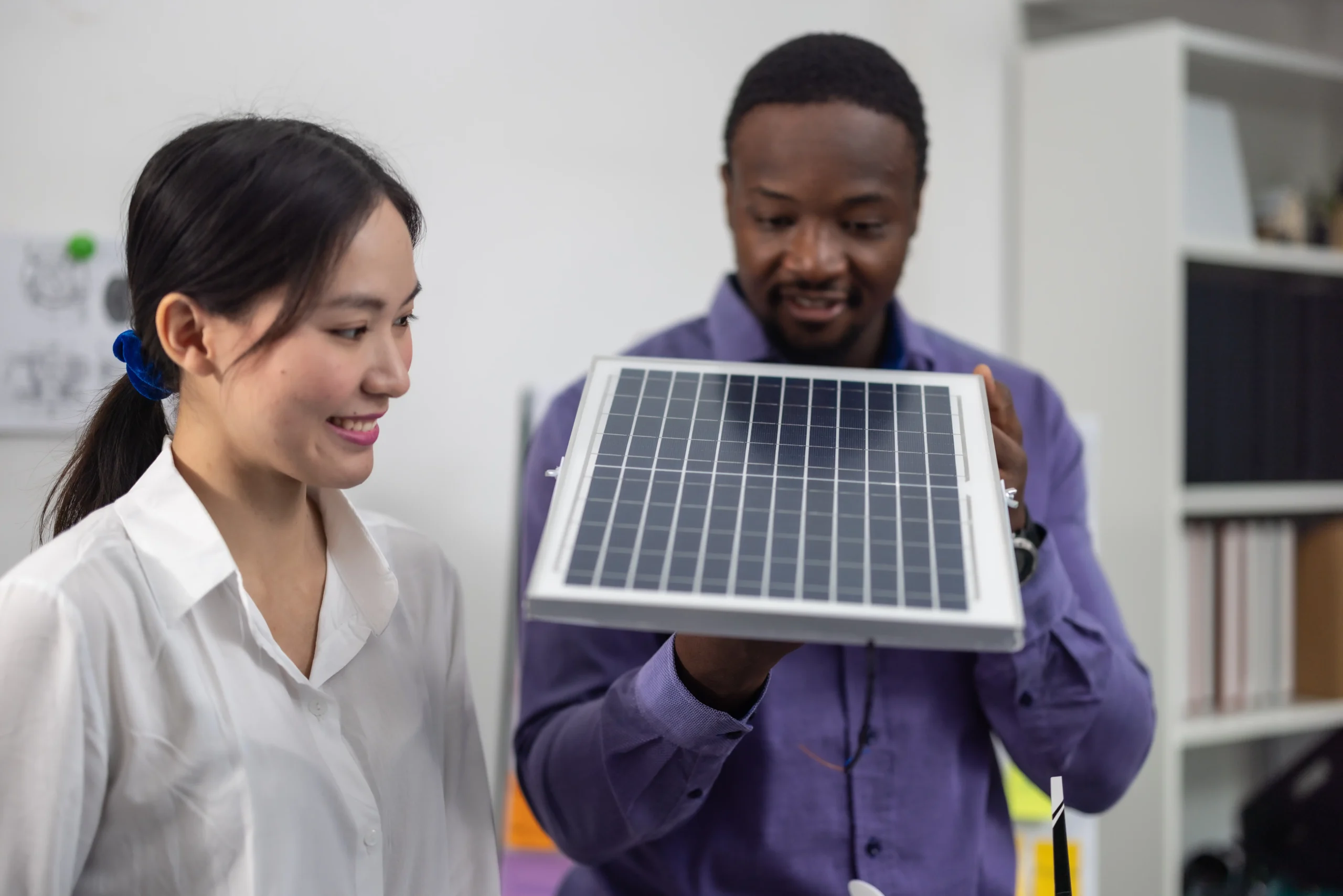
With your energy needs mapped, the next stage is selecting a suitable solar system and a reputable installer. System quality, panel efficiency, inverter specifications, and warranty coverage are all critical considerations. Choosing an installer involves assessing certifications, experience, and customer feedback.
Australia has strict standards for solar installations, with Clean Energy Council (CEC) accreditation required for both the panels and the installers. Selecting an installer who meets these standards aligns with the principles discussed in Choosing Excellence: Your Guide to Top Solar Installation Companies in Australia – Featuring National Renewable, emphasizing the role of expertise and reliability in system longevity.
Making informed decisions at this stage prevents future headaches, such as inefficient energy production, warranty disputes, or non-compliance with regulations.
Planning and System Design
Once the installer is selected, the system design process begins. This includes determining the panel layout, inverter placement, and wiring pathways to ensure safety, performance, and aesthetic integration with your home. Advanced design tools can model expected energy generation and optimize panel angles for maximum solar exposure.
During this stage, customers can also consider integrating battery storage or hybrid systems to enhance energy independence. This is especially important for households aiming to reduce reliance on the grid during peak demand hours. For a deeper understanding of maintaining your system’s peak performance, insights on troubleshooting and repairs can be drawn from Keeping You Powered: Essential Solar System Repairs and Troubleshooting.
Proper planning reduces the likelihood of delays during installation and ensures compliance with local council and electrical regulations, avoiding costly revisions later.
Approvals and Grid Connection
Before installation can proceed, several regulatory approvals may be required. Local councils often require permits, while electricity providers need to approve grid connections, particularly if your system feeds energy back into the network.
Documentation typically includes electrical plans, system specifications, and CEC-approved equipment details. While some approvals can take days, others may take weeks depending on location and council requirements. Engaging an experienced installer simplifies this process, as they often handle submissions and communications on your behalf. A strong grasp of choosing reliable installers and understanding their role in approvals is subtly reflected in Choosing Excellence: Your Guide to Top Solar Installation Companies in Australia – Featuring National Renewable.
Completing these steps ensures your solar system is legally compliant and eligible for feed-in tariffs or incentives, maximising the financial benefits of your investment.
Installation Day: Bringing Solar to Life
Installation is where planning meets action. Professional installers typically work in teams, securing panels to roofs, wiring systems, and connecting inverters. Depending on the system’s complexity, installations can range from a few hours to multiple days.
Safety is paramount during this phase. Installers follow strict protocols to manage risks such as electrical hazards, roof work safety, and proper grounding. Post-installation, the system undergoes rigorous testing to verify energy output, grid interaction, and system stability. For homeowners interested in long-term reliability, understanding maintenance and troubleshooting is reinforced by Keeping You Powered: Essential Solar System Repairs and Troubleshooting.
Attention to detail at this stage ensures optimal performance, reduces the risk of system faults, and guarantees that your solar journey begins with confidence.
Monitoring, Maintenance, and Maximising Efficiency
Once operational, solar systems require ongoing monitoring and occasional maintenance to perform at their best. Modern solar inverters often include monitoring apps, allowing homeowners to track energy generation, consumption, and identify potential issues remotely.
Regular cleaning of panels, inspection of wiring, and checking for shading changes are essential for maintaining efficiency. Awareness of top installation practices and their impact on system longevity aligns with the considerations outlined in Choosing Excellence: Your Guide to Top Solar Installation Companies in Australia – Featuring National Renewable.
By combining careful monitoring with timely maintenance, homeowners can maximise energy savings, extend system lifespan, and enjoy the full environmental and financial benefits of solar energy.
Embarking on a solar journey is a transformative step toward sustainable living and energy independence. From assessing energy needs and selecting the right system, through approvals, professional installation, and ongoing monitoring, each stage plays a critical role in achieving optimal performance. At National Renewable, we are committed to guiding you seamlessly through this process, ensuring that your transition to solar is both smooth and rewarding. The principles of system reliability and maintenance highlighted in Keeping You Powered: Essential Solar System Repairs and Troubleshooting provide valuable context for every stage of this journey.
With careful planning, expert installation, and proactive system management, your solar system becomes not just an investment in your home, but a contribution to a greener, more sustainable Australia. And understanding what defines top-tier solar installers, as explored in Choosing Excellence: Your Guide to Top Solar Installation Companies in Australia – Featuring National Renewable, reinforces the importance of selecting partners who ensure long-term success and energy efficiency.
Recent Post
Dont Hesitate To Contact Us
Got questions, ideas, or feedback? We’re here to help. Reach out to our team today and let’s explore how we can work together to bring your renewable energy vision to life.