
Ensuring Longevity: Guide to Solar Panel Maintenance in Australia
Admin
October 1, 2025
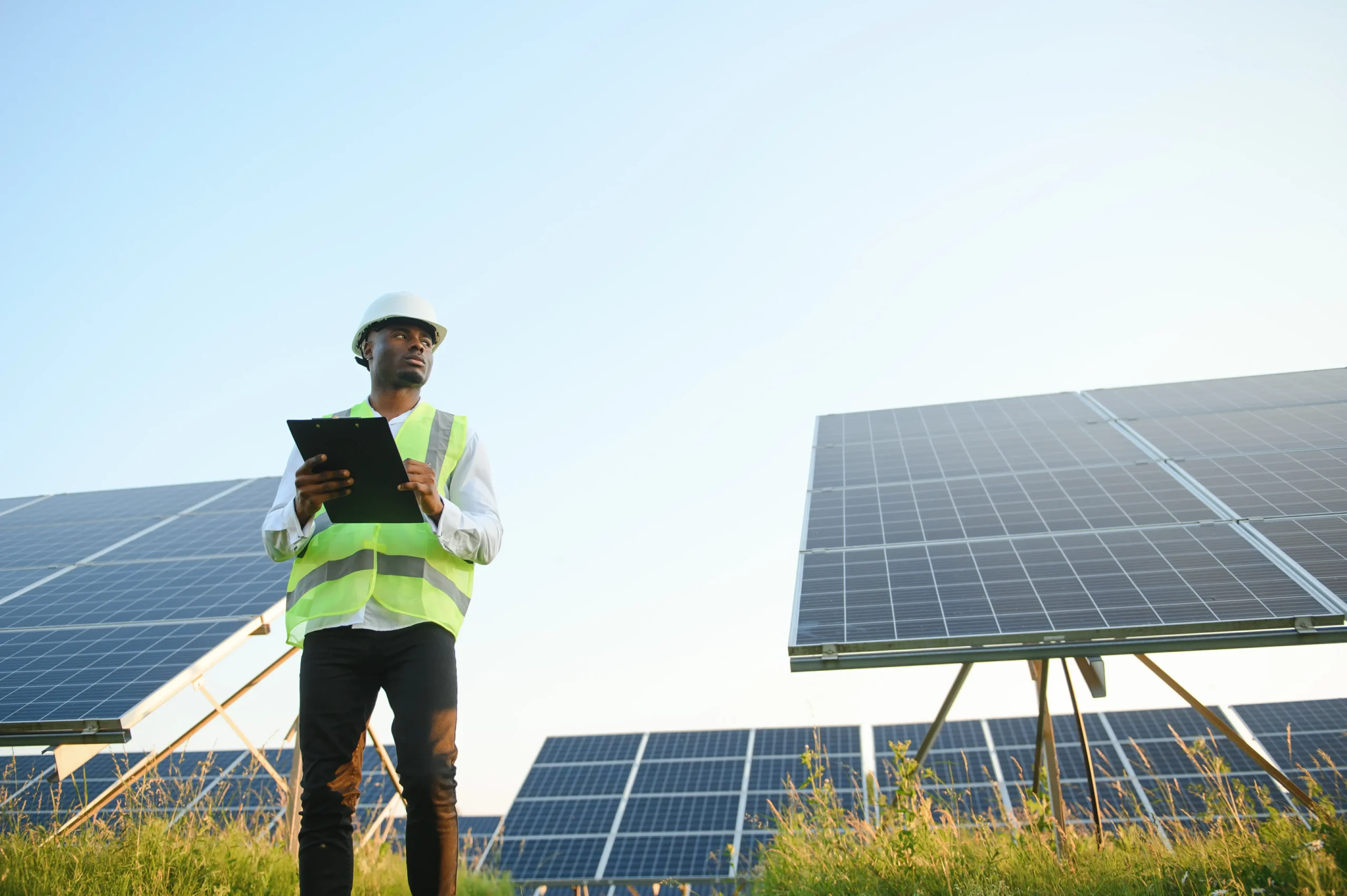
Switching to solar energy is more than a financial decision—it’s a long-term commitment to sustainability and energy independence. Solar panels are designed to last over 25 years, but their performance depends on regular care. Proper maintenance ensures they continue to operate efficiently, providing reliable power and maximising savings over time.
We are dedicated to supporting Australians throughout their solar journey. From precise installation to ongoing care, every step matters. Maintaining your system is not just about cleaning panels—it’s about understanding how your environment, weather, and system components interact.
Why Solar Panel Maintenance Matters
Solar panels are remarkably durable, yet they operate in constantly changing conditions. Exposure to dust, pollen, bird droppings, and even salty coastal air can reduce their efficiency if left unchecked. In dry inland regions, red dust can accumulate quickly, while coastal areas face salt build-up that may lead to corrosion over time. Even small deposits can block sunlight, reducing energy output by up to 20 percent in extreme cases.
Maintenance is not only about keeping panels clean—it’s about safeguarding the system’s performance. Routine care extends the life of your panels, reduces the likelihood of costly repairs, and ensures your system remains a safe and reliable source of energy. Just as the installation process starts with detailed site assessment, effective maintenance begins with understanding the environment in which your panels operate.
Cleaning Practices for Maximum Efficiency
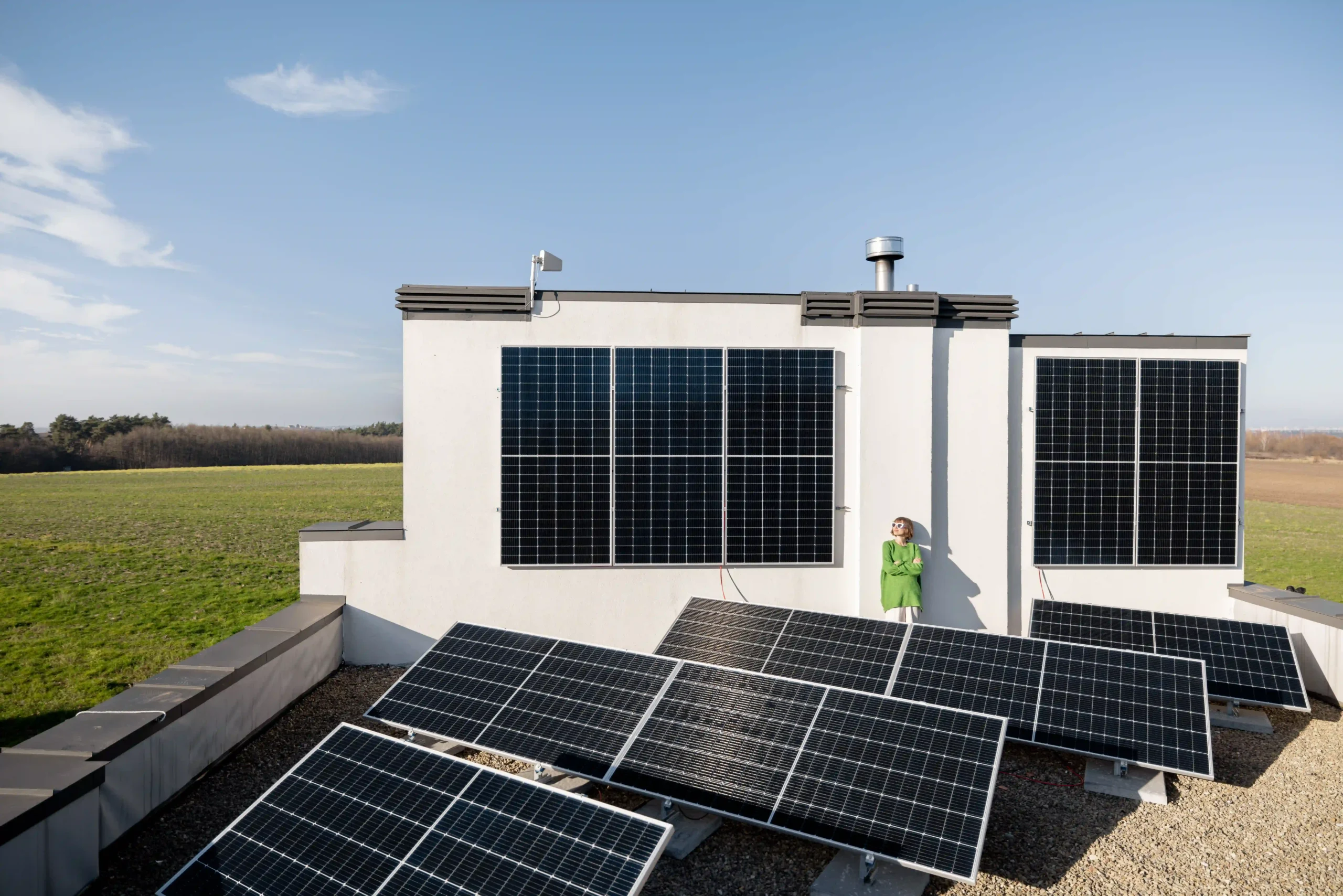
Keeping panels clean might sound simple, but the method and timing can make a real difference. While rain can wash away light dust, it often leaves streaks or residues that limit sunlight absorption. Using gentle cleaning tools such as soft sponges or microfiber cloths, paired with mild soapy water, ensures dirt is removed without damaging the anti-reflective coating.
Timing is also important. Cleaning in the early morning or late evening prevents thermal shock, which occurs when cold water hits hot panels. High-pressure hoses might seem efficient but can damage seals and mounting frames, potentially causing long-term issues.
For homes near the coast, regular rinsing helps remove salt residue, protecting the panels from corrosion. Inland homes, particularly in bushfire-prone areas, may need to deal with ash or pollen accumulation. Maintaining a consistent cleaning schedule ensures panels remain effective throughout the year.
During installation, careful positioning maximises sunlight exposure, but ongoing cleaning ensures the panels can continue to absorb energy without obstruction.
Inspections: Catching Problems Early
Solar panels themselves have no moving parts, but the overall system includes inverters, wiring, and mounting structures that can deteriorate if neglected. Regular inspections help identify issues before they escalate.
Homeowners can perform simple visual checks, such as looking for cracks, discoloration, shading from new vegetation, or loose cabling. However, professional inspections are more comprehensive, measuring system performance against expected benchmarks, testing inverter output, and checking wiring for damage caused by weather or pests.
Scheduling inspections every 12 to 18 months ensures that minor problems are addressed before they affect efficiency or safety. Modern solar systems also allow monitoring through apps or inverter displays, helping detect performance dips early. Just as technical expertise is crucial during installation, trained professionals ensure inspections maintain system integrity.
Seasonal Maintenance Across Australia
Australia’s climate varies widely, and maintenance routines should adapt accordingly:
- Summer: High UV exposure can heat panels, slightly reducing efficiency. Coastal homes should rinse panels regularly to remove salt. Bushfire season may also leave ash and soot that blocks sunlight.
- Autumn: Falling leaves and debris may collect around frames and gutters. These should be cleared promptly to avoid shading or water pooling.
- Winter: Panels perform more efficiently in cooler temperatures but may gather debris due to reduced rainfall in some areas. In snow-prone regions like the Australian Alps, snow should be brushed off gently.
- Spring: Increased pollen levels, especially in rural or bushland areas, can coat panels in a fine layer, reducing absorption.
Aligning cleaning and inspection schedules with seasonal conditions helps maintain consistent performance throughout the year.
Caring for the Entire System
Solar panels are the most visible component, but the system includes inverters, batteries, and monitoring software, all of which require attention. The inverter, which converts DC to AC electricity, should be kept in a cool, ventilated, and dust-free area to prevent overheating. Battery systems, where present, need regular checks on charge levels and health to avoid unexpected failures.
Monitoring tools provide real-time data, helping homeowners spot performance drops caused by shading, dirt, or minor faults. Installing surge protection is also essential, as power surges from storms or grid issues can damage the inverter or panels. By maintaining these components, the solar system operates as a unified, efficient, and reliable unit.
As with the installation process, where every technical detail is planned for optimal performance, proper maintenance ensures all components work harmoniously for decades.
Sustaining Your Solar Investment
Solar energy systems are long-term investments designed to deliver clean energy and cost savings for decades. Panels are durable, but their efficiency and longevity are maximised through consistent care. By adopting regular cleaning routines, seasonal inspections, and careful monitoring of the system’s supporting components, homeowners can protect their investment and enjoy uninterrupted performance.
We are committed to helping Australians not only embrace solar energy but also maintain it as a reliable part of their daily lives. From installation to upkeep, every stage of your solar journey matters. Through proactive maintenance, your panels will continue to harness the sun’s energy effectively, supporting both your energy needs and environmental goals.
Much like the step-by-step solar installation process, where planning, positioning, and professional expertise ensure a strong start, ongoing care preserves and enhances your solar system’s performance for years to come.
Recent Post
Dont Hesitate To Contact Us
Got questions, ideas, or feedback? We’re here to help. Reach out to our team today and let’s explore how we can work together to bring your renewable energy vision to life.