
The Clean Energy Revolution: Driving a Sustainable Future Across Australia
Admin
September 19, 2025
Embracing the Clean Energy Wave in Australia
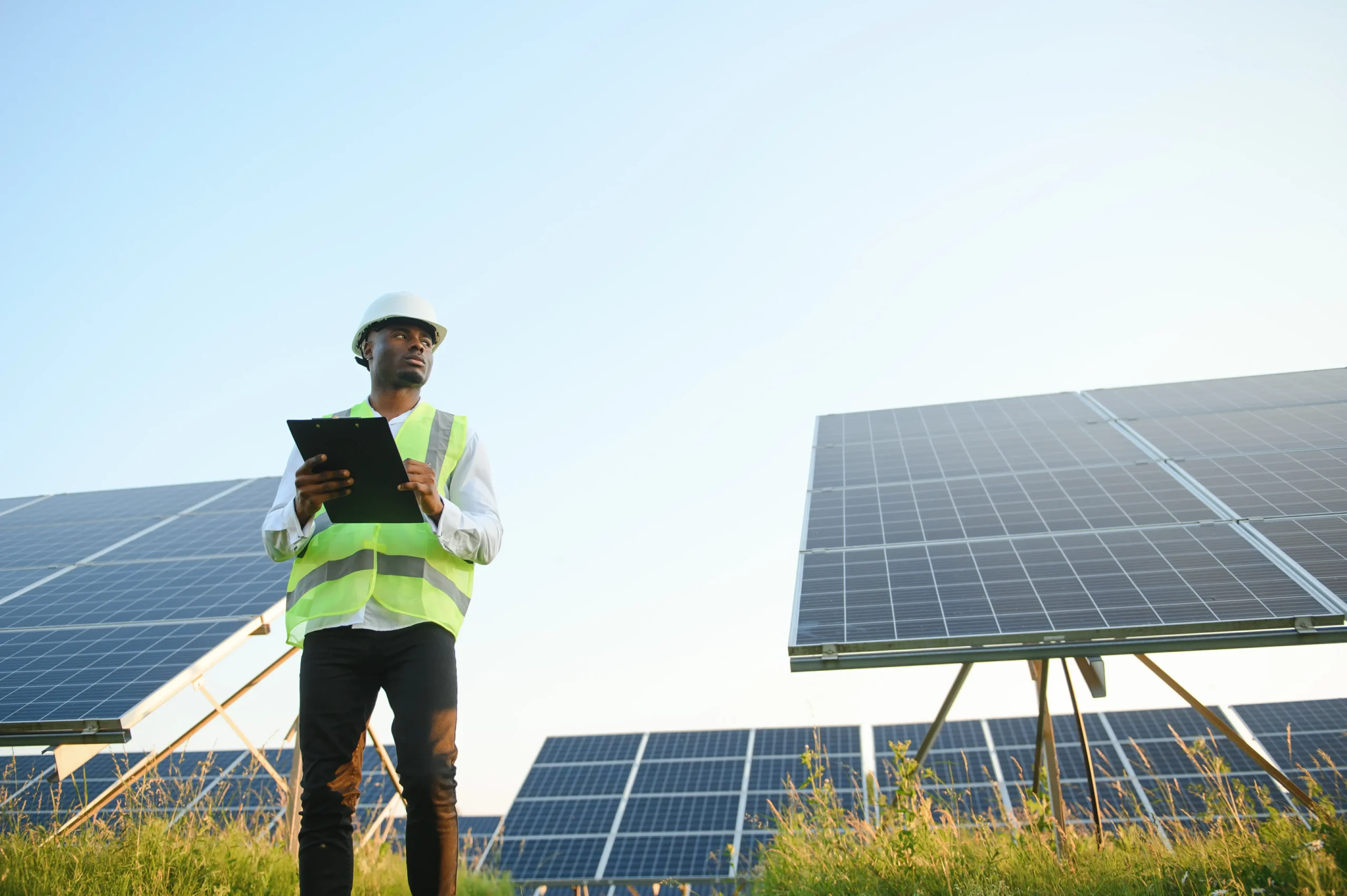
We at National Renewable are passionate about the transformation sweeping across Australia—one where clean, sustainable energy isn’t just an ideal, but a fast-growing reality. From rooftop solar systems in bustling suburbs to wind farms across coastal plains, the clean energy revolution is reshaping how Australians power their homes, businesses, and communities.
This shift is about more than replacing fossil fuels—it’s about creating a resilient energy network that is cost-effective, future-proof, and environmentally responsible. It’s a natural continuation of Australia’s journey toward embracing diverse and eco-friendly power options that go beyond the traditional solar panel setup.
Solar Power’s Steadfast Ascent
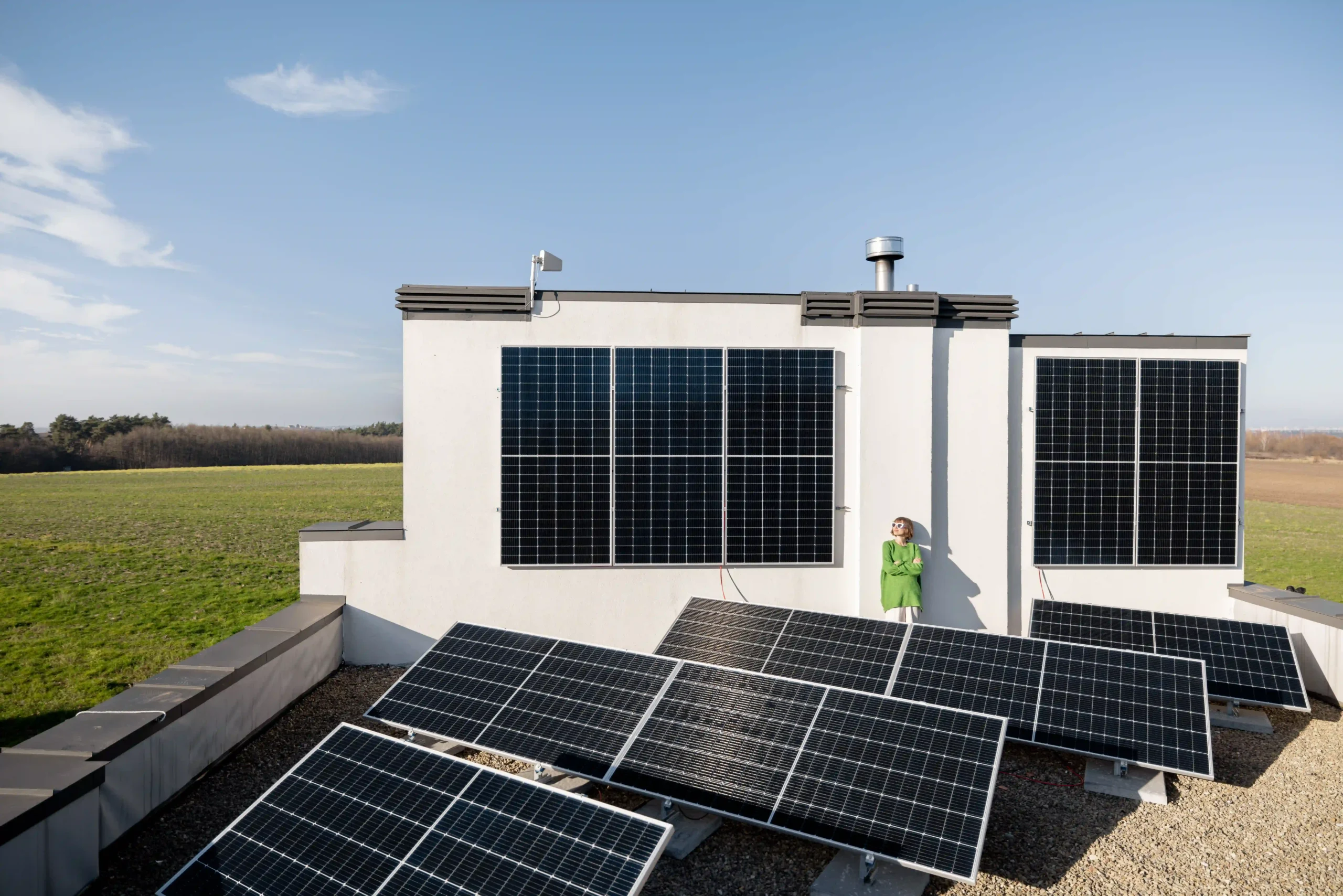
Australia is one of the sunniest nations on earth, with much of the country enjoying more than 300 sunny days a year. This makes solar power one of the most effective and accessible renewable energy sources available. Rooftop solar systems are now installed on more than 3.5 million Australian homes, delivering over 11 gigawatts of capacity to the grid and meeting around 10 percent of national electricity demand.
Technology has played a huge role in solar’s success. Advances like bifacial panels (which absorb light from both sides), higher-efficiency cells, and smart inverters have improved performance, while installation costs have fallen dramatically in the past decade. Large-scale solar farms—often paired with battery storage—are being built in rural areas, feeding clean electricity into cities hundreds of kilometres away.
For households, the payback period for solar systems can be as short as three to five years, depending on location and consumption. With energy prices fluctuating, the financial and environmental benefits of solar are becoming impossible to ignore.
The Role of Storage in Stabilising Renewables
While solar power is reliable during the day, demand often peaks in the evening—precisely when the sun isn’t shining. That’s where energy storage comes in. Lithium-ion battery technology, led by landmark projects like the Hornsdale Power Reserve in South Australia, has proven its value in stabilising the grid, preventing blackouts, and reducing the need for expensive peaking power plants.
But lithium-ion is only part of the picture. Pumped hydro storage—which uses excess renewable energy to pump water uphill, releasing it to generate electricity later—offers long-duration stability. Flow batteries promise scalability and long operational lifespans, while hydrogen storage is being explored as a flexible option that can also power vehicles and industry.
Integrating storage into the grid ensures that renewable energy can meet demand at any hour, reducing dependence on fossil fuel backup. It’s the same philosophy that drives interest in hybrid and multi-source systems, where solar, wind, and storage work in harmony to create consistent supply.
Wind Power’s Stealthy Expansion
While solar often dominates headlines, wind energy is quietly making an equally important contribution. Australia’s coastal and elevated regions have some of the best wind resources in the Southern Hemisphere, allowing turbines to operate at high capacity factors and deliver dependable power.
Onshore wind farms in states like Victoria, South Australia, and New South Wales are generating electricity at costs competitive with fossil fuels, and many are being built in partnership with local communities to share benefits. Offshore wind, though still in its early stages here, has vast potential. Projects off the coast of Victoria and Tasmania are being explored to capture powerful and consistent ocean winds.
The advantage of wind energy lies in its complementarity with solar—wind often peaks at night or during overcast conditions, helping to balance the variability of sunlight.
Energy Efficiency: The Often-Overlooked Power Boost
Renewable energy generation is only one side of the sustainability equation—the other is using energy as efficiently as possible. By reducing demand, we stretch the value of every kilowatt produced.
For households, that means improving insulation, sealing gaps to prevent air leaks, and installing smart appliances that adjust usage based on grid demand. Smart thermostats, for example, can pre-cool or pre-heat a home when renewable supply is abundant, cutting costs and emissions.
In the commercial sector, energy-efficient lighting, advanced HVAC systems, and demand-response programs help lower peak consumption. These measures not only reduce energy bills but also extend the life of equipment and reduce strain on the grid.
Pairing energy efficiency with renewable generation creates a win-win scenario: less energy wasted, more clean power available, and reduced reliance on expensive peaking power.
Policy Pulse: Driving Investment and Innovation
Government policies play a decisive role in accelerating renewable energy adoption. Renewable Energy Targets (RETs), feed-in tariffs, and solar battery rebates have made it easier for Australians to invest in clean technology. State governments are also designating Renewable Energy Zones (REZs), which cluster projects together to optimise infrastructure and cut costs.
Competitive auctions for large-scale renewable projects are driving prices down, while grid-modernisation programs are preparing networks to handle variable generation. These policies provide the certainty investors need to commit to long-term, large-scale projects.
Australia is also seeing growth in community energy projects, where towns and regional groups develop and own their own renewable systems, keeping profits and control within the community.
Innovative Hybrid Systems for Future-Ready Homes
The future of Australian energy lies in integration. Hybrid systems that combine multiple renewable sources with storage can create near-complete energy independence for households and businesses. Imagine a property with rooftop solar, a small wind turbine, a home battery, and even a hydrogen-ready backup generator—all working together seamlessly.
These systems aren’t just about maximising self-sufficiency—they also improve resilience during extreme weather events or grid outages. By spreading generation across different sources, hybrids reduce the impact of seasonal variations and equipment downtime.
Just as with exploring eco-friendly energy systems across diverse property types, these hybrids show how creative combinations can deliver robust, adaptable power. As technology costs continue to fall, hybrid solutions are expected to become more accessible to everyday Australians.
Lighting the Path Forward with National Renewable
We stand at the heart of Australia’s clean energy revolution, committed to empowering communities and building a sustainable energy future. For anyone looking to explore a broader palette of renewable solutions, from familiar solar setups to more unconventional options, there’s inspiration in the ways Australians are diversifying their energy sources.
By combining solar, wind, storage, energy efficiency, supportive policy, and innovative hybrid systems, we can craft an energy landscape that’s cleaner, smarter, and more resilient. Together, we can make this vision a reality—one rooftop, one turbine, and one bright Australian day at a time.
Recent Post
Dont Hesitate To Contact Us
Got questions, ideas, or feedback? We’re here to help. Reach out to our team today and let’s explore how we can work together to bring your renewable energy vision to life.