
Unlocking Efficiency: Commercial Solar Power Installation for Australian Enterprises with National Renewable
Admin
August 26, 2025
Driving Business Forward Through Energy Independence
Australian enterprises are navigating an era of rising energy costs, evolving sustainability regulations, and increasing pressure from consumers to demonstrate environmental responsibility. Solar power is emerging as a clear solution, offering more than just environmental benefits — it’s a smart business decision that delivers long-term efficiency and operational resilience.
As a trusted commercial solar solutions provider, we at National Renewable have seen firsthand how the right solar installation can transform a business’s energy profile. From lowering overheads to stabilising supply, solar technology empowers organisations to take control of their future.
Why Commercial Solar Makes Strategic Sense
Energy costs in Australia have seen steady increases over the last decade, and for many enterprises, this has become a major operational challenge. Commercial solar power helps offset these costs by generating clean, renewable electricity directly on-site. This not only reduces reliance on the grid but also shields businesses from unpredictable price spikes that can disrupt budgets.
Government incentives such as the Small-scale Renewable Energy Scheme (SRES) and Large-scale Generation Certificates (LGCs) further enhance the financial appeal of solar investments. By reducing the upfront cost of installation, these programs make solar accessible to a wider range of industries, from retail to manufacturing to agriculture.
Beyond direct savings, commercial solar also supports Environmental, Social, and Governance (ESG) goals. Many organisations now integrate solar energy into their sustainability reporting, using it as evidence of their commitment to reducing carbon emissions. This can have a direct impact on brand value, helping businesses appeal to environmentally conscious customers, investors, and partners.
Tailored Solutions for Every Business Model
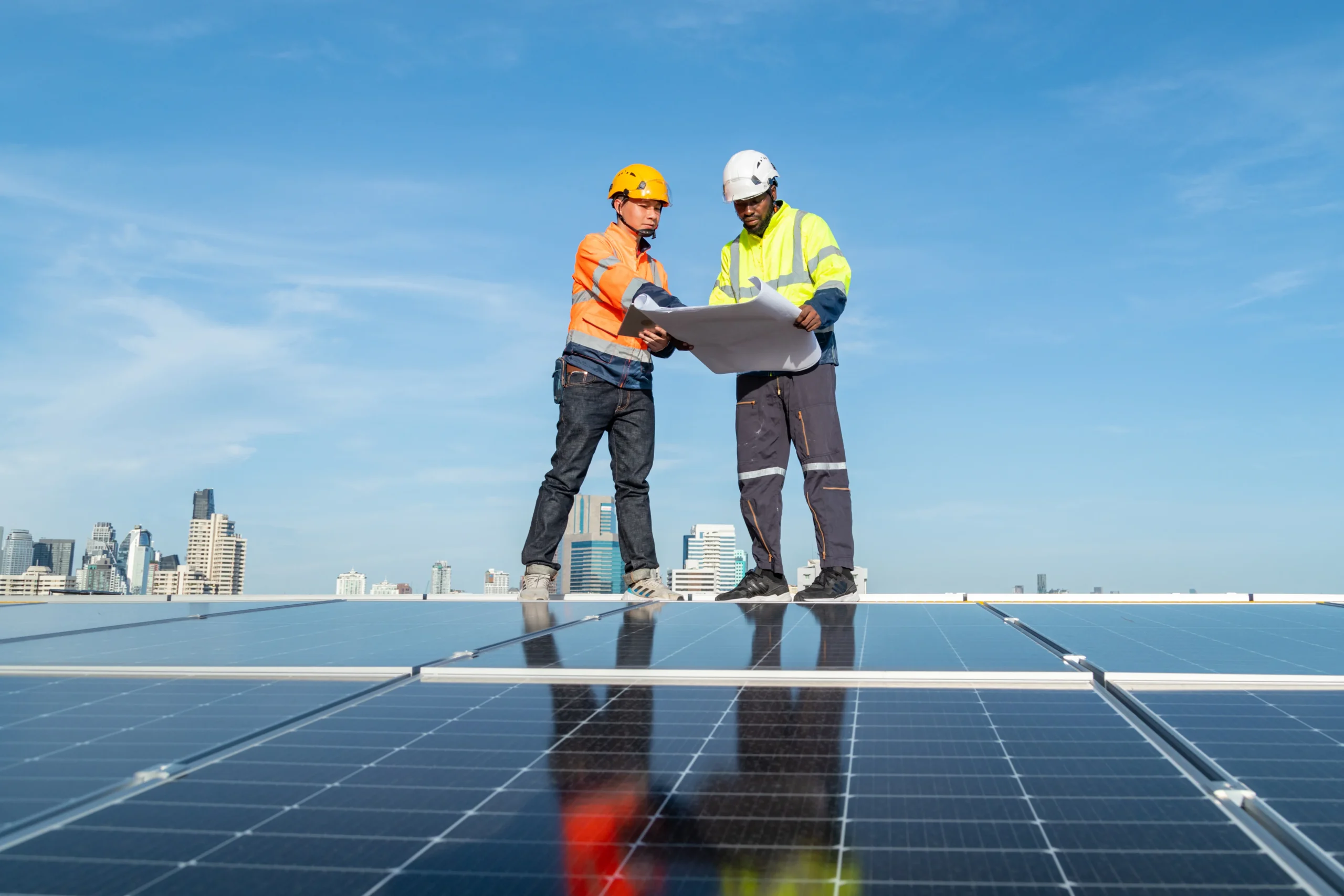
Not all solar systems are created equal — and not all businesses have the same operational needs. A hospitality venue that operates at night will have vastly different energy requirements compared to a logistics centre running 24/7. Designing a system without factoring in these differences can lead to inefficiencies and missed savings.
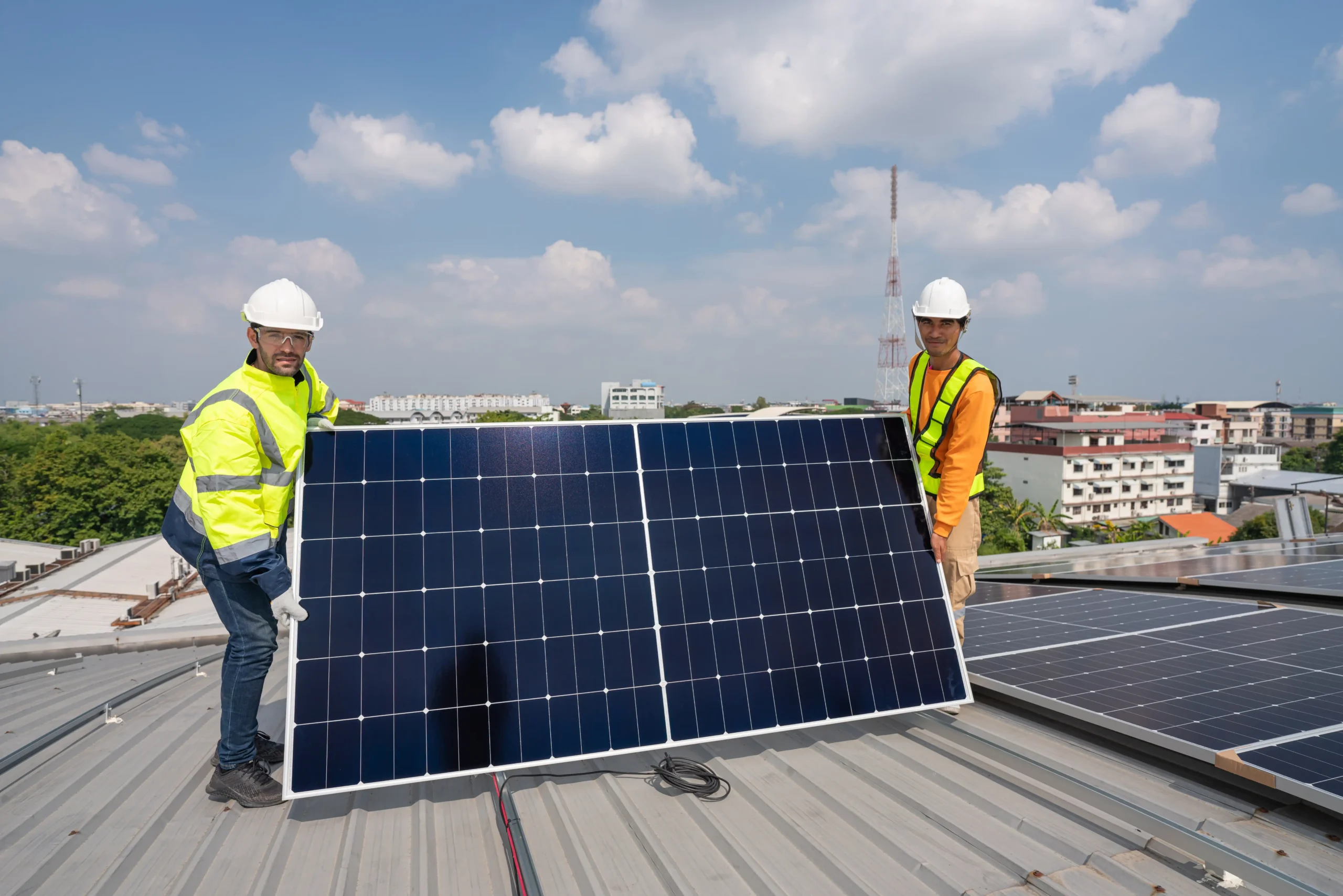
Installing a commercial solar system is a carefully coordinated process that requires both technical expertise and an understanding of business continuity. It starts with a thorough site assessment to evaluate the building’s structural capacity, shading conditions, and electrical infrastructure.
The design phase ensures every component — from panels to inverters to cabling — is chosen for optimal performance and longevity. Once installation begins, professional teams work to minimise disruption, often scheduling tasks during off-peak business hours or weekends.
After physical installation, systems undergo extensive safety and performance testing to comply with Australian Standards. This is followed by connection approval, ensuring the business can legally and safely generate and export electricity to the grid.
When planned with foresight, installation not only accelerates return on investment but also lays the groundwork for future upgrades or expansions. This means businesses can later integrate battery storage or expand panel capacity without the need for a complete redesign.
Operational Benefits Beyond Energy Savings
While the most obvious benefit of solar is reduced electricity bills, the advantages run much deeper. Businesses gain greater energy independence, which reduces vulnerability to grid outages or supply interruptions. In industries where downtime is costly, this reliability can be critical.
There’s also a marketing and reputational advantage. More consumers are choosing to support businesses that actively reduce their environmental footprint. For B2B operations, sustainability can be a deciding factor for clients seeking like-minded partners.
The long-term growth potential of solar aligns closely with broader business strategies, much like how renewable energy adoption has become a catalyst for expanding into new markets. This isn’t just about saving money — it’s about building a brand identity that resonates with modern values.
Additionally, solar can complement other energy-efficiency measures. Businesses pairing solar with energy management systems, LED lighting upgrades, or battery storage can create a comprehensive energy strategy that maximises both financial and environmental returns.
Building a Future-Ready Energy Strategy
The commercial energy landscape is evolving rapidly, and solar technology is at the heart of that transformation. Modern systems can integrate with advanced energy storage solutions, enabling businesses to store excess power for use during peak demand or grid outages. Others pair their systems with electric vehicle charging infrastructure, preparing for a future where company fleets run on clean energy.
Data analytics also plays a growing role in energy optimisation. By monitoring performance in real time, businesses can identify patterns, adjust usage, and maintain maximum efficiency. Over time, this can lead to even greater savings and better alignment with sustainability goals.
At National Renewable, we design and deliver systems that meet today’s energy needs while keeping an eye firmly on the future. We focus on creating commercial solar solutions that are efficient, compliant, and scalable, ensuring our clients are equipped for growth in an increasingly competitive and eco-conscious marketplace. For Australian enterprises ready to unlock efficiency, solar power is not just an option — it’s a strategic advantage waiting to be harnessed.
Key Considerations When Choosing a Supplier
Choosing a commercial solar panel supplier is not a one-size-fits-all decision. Different businesses have different priorities, and the ideal solution depends on a range of factors. Here are a few essentials to evaluate before locking in your solar partner:
- Panel Efficiency: Higher efficiency means more power generation in limited space.
- Temperature Coefficient: Lower is better, particularly important in Australia’s hotter regions.
- Tier Classification: Tier 1 manufacturers are generally more reliable and financially secure.
- Warranty Terms: Look for long-term product and performance warranties (at least 25 years).
- Environmental Certifications: Ensure panels meet or exceed Australian safety and durability standards.
- Track Record: Has the brand proven itself in commercial-scale projects?
These criteria help ensure your investment is protected and your system performs as expected.
The success of commercial solar systems lies not only in their design or installation, but also in choosing components that integrate seamlessly into the broader energy strategy. By working with trusted brands, your solar setup becomes more than a utility, it becomes a competitive asset.
Recent Post
Dont Hesitate To Contact Us
Got questions, ideas, or feedback? We’re here to help. Reach out to our team today and let’s explore how we can work together to bring your renewable energy vision to life.