
Maximizing Your Energy: Benefits of Solar Battery Storage in Australian Homes
Admin
August 14, 2025

Understanding Solar Battery Storage
Solar battery storage systems are transforming how Australian homes consume and manage energy. These systems allow you to store the excess electricity your solar panels produce during the day and use it later—typically in the evenings when energy demand spikes or on cloudy days when solar output is low.
Most residential batteries today use lithium-ion technology, which is compact, reliable, and built to last 10 to 15 years. By enabling greater self-consumption of solar energy, these systems increase the return on your solar investment and reduce the need to rely on electricity retailers.
Storing solar power becomes a natural next step once energy generation has been tuned to support daily household usage.
With rising electricity prices and shrinking feed-in tariffs across many states, more Australians are discovering that using their own stored power is far more cost-effective than exporting excess to the grid. A battery effectively ensures that every kilowatt-hour you generate works harder for your household.
Cutting Costs with Smarter Energy Use
Adding battery storage to a rooftop solar setup can significantly reduce energy bills. While savings vary based on your usage habits, system size, and location, many households report annual savings between $900 and $1,500. These figures can rise even higher when participating in programs such as Virtual Power Plants (VPPs), which aggregate residential batteries to support the broader grid during peak demand.
Battery storage reduces your costs in several ways:
- Increased solar self-consumption – Use more of the energy you generate, especially in the evening.
- Avoiding peak tariffs – Store electricity during cheaper off-peak hours or from solar, and use it when prices are highest.
- Minimizing reliance on the grid – Reduce dependency on retailers and avoid rate fluctuations.
- Participating in VPPs – Earn credits or payments for making your stored energy available during grid stress periods.
- Bill smoothing – Balance usage to avoid high spikes and demand charges (if applicable in your region).
Once daily power generation is covering base usage, storing the overflow becomes a way to fine-tune household energy efficiency.
Even without subsidies, battery systems are becoming more accessible due to declining costs and increasing competition in the Australian market. The true value often becomes clearer when viewed over time—batteries are not just a short-term expense but a long-term strategy for cost control and sustainability.
Backup Power and Energy Independence for Homeowners
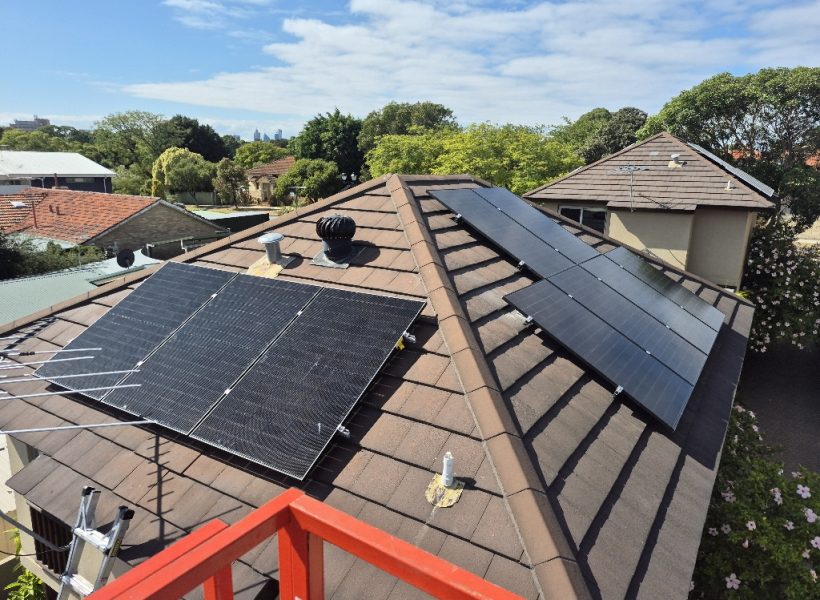
A well-sized home energy storage system offers more than just savings—it provides resilience. In areas prone to blackouts, storms, or grid instability, battery storage can keep essential appliances running during power outages. Systems with backup capabilities can power lights, fridges, security systems, and even communication devices when the grid goes down.
This is especially valuable for households with young children, medical needs, or work-from-home requirements. It offers a reliable safeguard during emergencies and unpredictable weather conditions.
More importantly, battery storage supports energy independence for homeowners. Instead of relying entirely on the grid, your household becomes a mini power station—generating, storing, and using energy on your own terms. This independence is not just practical, but empowering.
It’s a transition from simply producing solar energy to actively managing and owning your energy ecosystem.
Contributing to a Greener, More Resilient Grid
As more Australians adopt battery storage, the benefits scale beyond individual homes. Batteries play a critical role in supporting the electricity network by helping manage supply and demand more efficiently.
During midday when solar output peaks and grid demand is low, batteries absorb surplus energy. In the evening when demand surges, they release that stored power—reducing the load on peaker plants, which often rely on fossil fuels.
This “load shifting” helps:
- Reduce grid congestion during high-demand periods
- Lower greenhouse gas emissions by decreasing reliance on non-renewable sources
- Improve the overall stability of Australia’s energy network
- Prevent solar curtailment in areas with high solar penetration
When more solar homes begin storing and timing their usage, communities benefit from cleaner, more stable electricity flow.
Battery storage complements the rooftop solar movement by ensuring that renewable energy is not just produced—but also preserved and used effectively, day or night.
Smarter Technology, Better Access
The solar battery industry in Australia is advancing quickly. Modern systems come equipped with smart management apps that forecast weather, track energy consumption, and predict solar production to optimize battery performance. These technologies automate when to store or discharge energy based on real-time needs and electricity pricing.
Safety and durability have also improved, with newer models using lithium-iron phosphate chemistry for better thermal stability and longer life spans. Many batteries now integrate seamlessly with home solar systems, and hybrid inverters allow both battery and solar control from a single unit.
Financially, government-backed rebates and interest-free loans are improving access. Australia’s national Cheaper Home Batteries program can offer rebates of approximately $370 per kWh, reducing upfront battery costs by thousands of dollars. Some states, including South Australia and Victoria, have additional incentives available to eligible households.
Combined with falling battery prices, these programs make energy storage more affordable than ever.
Completing the Solar Picture
Recent Post
Dont Hesitate To Contact Us
Got questions, ideas, or feedback? We’re here to help. Reach out to our team today and let’s explore how we can work together to bring your renewable energy vision to life.